
Have you ever had a stressful week that left you drained long after it was over? Maybe poor sleep, painful memories, anxiety, or grief have started affecting the way you work, eat, sleep, or connect with people you care about.
When life feels harder to manage, online therapy can make it a little easier to get support. You can talk with a therapist without spending time traveling to an office. But online therapy is not the right fit for every person or every situation. Understanding how it works and when another level of care may be better can help you make a choice that feels right for you.
If you’re searching for an online therapist near you, Harmony United Psychiatric Care offers virtual and in-person appointments across Florida, so support is never far away, whether you’re in Miami, Orlando, Tampa, or a smaller Florida community.
Harmony United Psychiatric Care is a premier mental health clinic serving communities across Florida.
Find a provider near you
What Is Online Therapy?
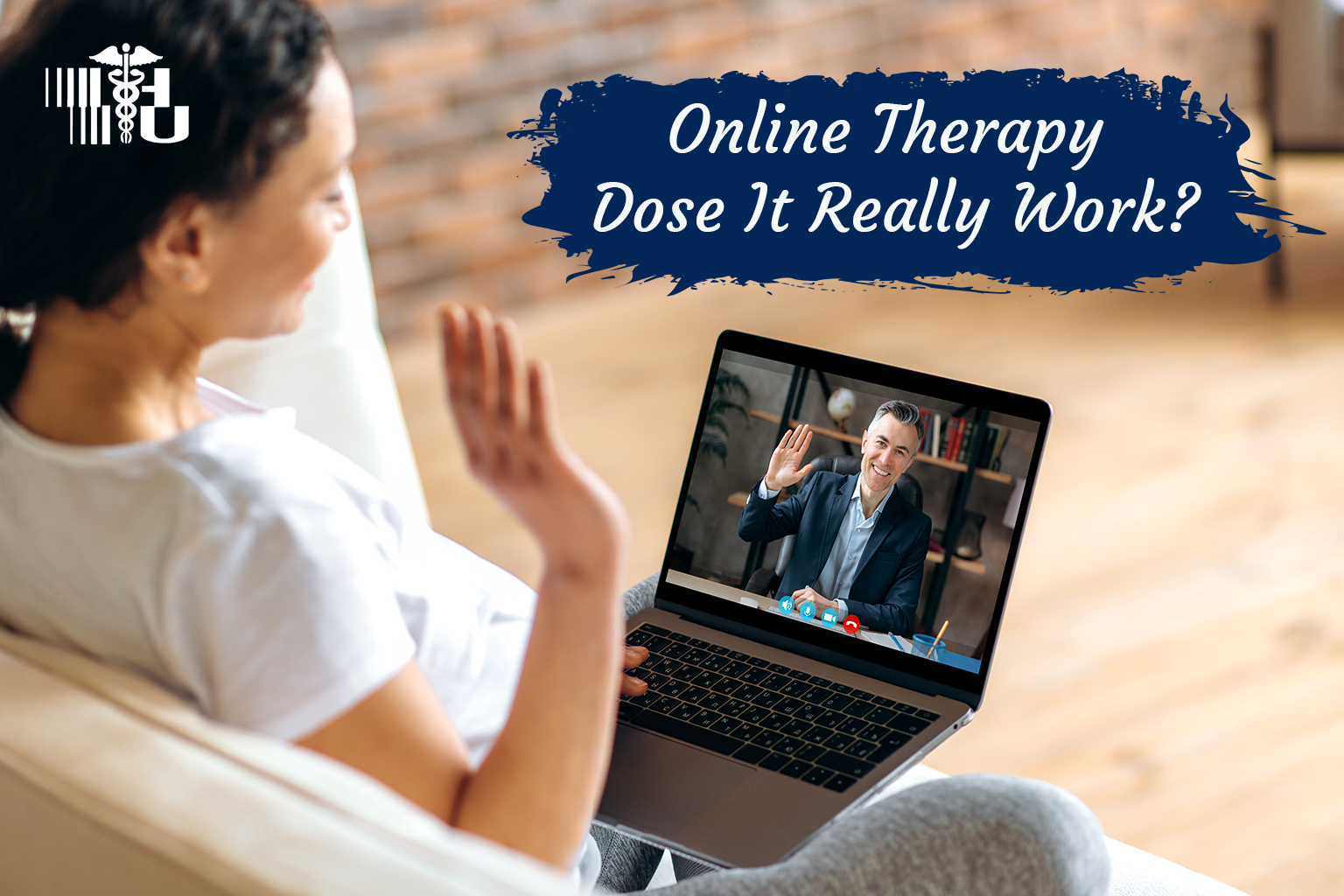
Online therapy, also called telepsychiatry or telehealth care, allows you to meet with a mental health professional remotely, often through a secure video appointment. Depending on the provider, virtual care may also include phone-based sessions.
For many people, the biggest benefit is convenience. You can attend sessions from home, avoid a long commute, and fit therapy more easily around work, family, school, or caregiving responsibilities.
Some people also feel more comfortable opening up in a familiar setting. Others find that being at home makes it harder to focus or stay private. Neither choice is wrong. The best format depends on your needs, symptoms, environment, and comfort level.
Does Online Therapy Work?
This is one of the most common questions people have before starting telehealth care.
Online therapy can be helpful for many concerns, including ongoing stress, anxiety, grief, trauma-related symptoms, relationship challenges, and life changes. A therapist can help you understand patterns, build coping skills, work through difficult emotions, and make practical changes in daily life.
Still, therapy is not a quick fix. Progress can take time, and results often depend on the type of treatment, the therapist-client relationship, your goals, and how well the treatment fits your needs.
For some people, in-person therapy may feel more supportive. For others, online therapy offers the flexibility they need to stay consistent with care.
Online Therapy for Stress and Anxiety
Stress is part of life, but it can become a problem when it stops feeling temporary.
Ongoing stress may show up as poor sleep, muscle tension, headaches, irritability, racing thoughts, trouble concentrating, or feeling like you’re always “on edge”.
Online therapy for stress and anxiety can help you understand what is triggering these feelings and learn healthier ways to respond.
A therapist may use approaches such as cognitive behavioral therapy (CBT), acceptance and commitment therapy (ACT), mindfulness-based techniques, or problem-solving strategies. You might work on calming your body, challenging unhelpful thoughts, setting boundaries, improving routines, or breaking overwhelming tasks into smaller steps.
The goal isn’t to eliminate every stressful moment. It’s to help you feel more capable of handling them.
Online Trauma Therapy: What to Expect
Trauma can affect much more than your memories. You may experience nightmares, intrusive thoughts, avoidance, emotional numbness, shame, anxiety, or a constant feeling of being on guard.
Online trauma therapy may help some people process these experiences in a structured and supportive way. Treatment can include approaches such as trauma-focused CBT, cognitive processing therapy, prolonged exposure, or EMDR when clinically appropriate.
Trauma therapy should move at a safe pace. A good therapist won’t pressure you to share everything before you’re ready. Early sessions may focus on building trust, understanding triggers, learning grounding skills, and creating a sense of emotional safety.
If talking about trauma leaves you feeling overwhelmed, disconnected, or unsafe, tell your therapist. Your treatment plan can be adjusted based on how you’re responding.
How Online Grief Counseling Can Help
Grief doesn’t always follow a clear timeline.
The loss of a loved one can bring sadness, anger, guilt, loneliness, relief, confusion, or sudden waves of emotion. Grief can also follow other major losses, such as a relationship ending, a serious diagnosis, pregnancy loss, job loss, or a major life change.
Online grief counseling provides a supportive space to talk about your loss and how it is affecting your life.
A therapist may help you work through painful thoughts, adjust to changes in daily life, manage guilt, reconnect with your support system, or make sense of how the loss has changed your identity and future.
Sometimes grief feels manageable one day and overwhelming the next. That doesn’t mean you’re doing it wrong. There is no single timetable for grieving.
Immediate Crisis: Online therapy is not designed for emergencies. If you or someone else is in immediate danger or experiencing a life-threatening emergency, call 911 or go to the nearest emergency department. If you’re experiencing suicidal thoughts or a mental health crisis, call or text 988 to reach the Suicide & Crisis Lifeline.
Online Therapy vs In-Person Therapy
Wondering which one is better? There isn’t one answer that works for everyone. The goal is not to choose the “best” format. It’s to choose the one that gives you the best chance of engaging in care and feeling comfortable enough to be honest.
| Online Therapy | In-Person Therapy |
| Talk with your therapist from home or another private place. | Meet your therapist face-to-face at a clinic. |
| Skip the commute and save travel time. | Plan for travel time before and after your session. |
| Easier to fit into a busy work or family schedule. | Gives you a dedicated space away from everyday routines. |
| Helpful when getting to a clinic is difficult. | May be a better option if you don’t have enough privacy at home or if your needs are better supported through in-person care and face-to-face interaction. |
| You’ll need a good internet connection, device, and private space. | You don’t need to rely on your own internet or device. |
| May be appropriate for many mental health concerns depending on individual needs, safety, privacy, and clinical recommendations. | May be preferred or clinically appropriate depending on individual needs, safety considerations, treatment approach, and level of support required. |
Who May Benefit From Online Therapy?
Online therapy may be a good option if you’re dealing with:
- Ongoing stress or anxiety.
- Grief or a major life transition.
- Trauma-related symptoms.
- Difficulty managing emotions.
- Relationship or communication challenges.
- Work or caregiving stress.
- Sleep problems linked to stress or emotional concerns.
Harmony United Psychiatric Care offers online therapy for a range of mental health-related issues near you throughout Florida.
When Online Therapy May Not Be the Best First Step
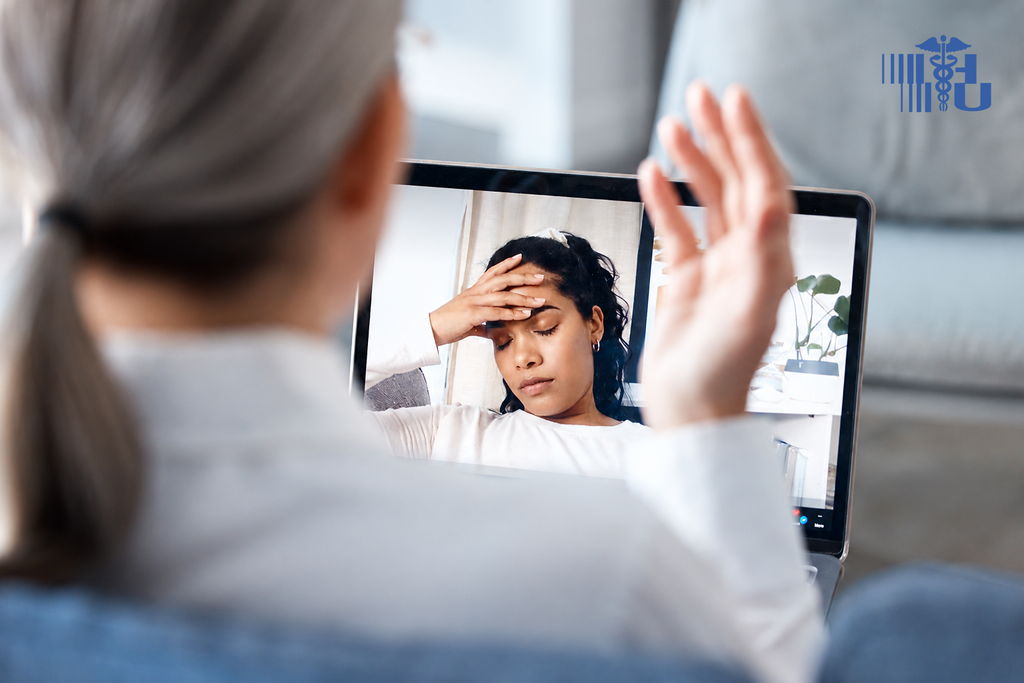
Immediate Crisis: Online therapy isn’t designed for emergencies. If you’re experiencing an immediate mental health crisis, severe confusion, hallucinations, an overdose, dangerous withdrawal, or an urgent risk of harm to yourself or someone else, seek immediate local emergency care rather than waiting for a routine therapy appointment.
Privacy Matters, Too: If someone nearby makes it difficult to speak openly, or you don’t have a safe place to attend a session, online therapy may not be the right option at that time.
A mental health professional can help determine what level and type of care makes sense for your situation.
How Harmony United Psychiatric Care Helps
Deciding what kind of support you need can feel overwhelming, especially when stress, trauma, grief, or anxiety are already taking up so much of your energy.
Searching online therapy near me? Then Harmony United Psychiatric Care is here to help. Our team provides personalized mental health care for children, teens, and adults. Depending on your needs, care may include individual therapy, psychiatric evaluations, medication management, and telepsychiatry, along with in-person appointments.
The first step doesn’t have to be figuring everything out on your own. A professional can help you understand what you’re experiencing, talk through your options, and determine what type of care may be the best fit.
To take the next step, call 800-457-4573 or request an appointment online.
Final Thoughts
Stress, trauma, and grief can change the way you think, feel, sleep, work, and connect with others. You don’t have to wait until everything feels unbearable before asking for help.
Online therapy can be a convenient and supportive option for many people, but the right choice depends on your needs and circumstances. Whether you choose online care, in-person therapy, or a combination of services, getting the right support can help you feel more understood and better equipped to move forward.
Frequently Asked Questions
Online therapy can be helpful for many people dealing with stress and anxiety. A therapist can teach coping skills, help identify triggers, and work with you on patterns that may be making symptoms harder to manage.
Yes, some trauma-focused treatments can be provided online when appropriate. Your therapist will consider your symptoms, safety, privacy, and treatment needs before recommending a virtual approach.
It can be. Online grief counseling can provide a supportive space to process loss, difficult emotions, changes in daily life, and other challenges that come with grieving.
Costs vary depending on the provider, session length, and whether you use insurance. Many practices offer a range of options, and it’s best to ask about pricing and payment plans before booking your first session.
Many insurance plans cover online therapy the same way they cover in-person visits, but coverage depends on your specific plan. Contacting your insurance provider or the practice directly can confirm what’s included.
You’ll typically need a private space, a stable internet connection, and a device with a camera and microphone, such as a phone, tablet, or computer.
This varies by person and depends on factors like the type of treatment, the severity of symptoms, and how consistently you attend sessions. Some people notice changes within a few weeks, while others need longer-term support.
Harmony United uses secure technology and follows applicable privacy requirements for virtual behavioral health appointments. Your own environment matters, too, so choosing a private location where you feel comfortable speaking openly can help protect your privacy during a session.
Therapists don’t prescribe medication. Psychiatrists and other appropriately licensed psychiatric providers may evaluate and manage medications through telehealth when clinically appropriate and permitted by applicable laws and regulations
This depends on your needs and treatment goals. Weekly sessions are common at the start of treatment, with frequency often adjusted as you progress.
Therapists provide talk therapy and coping strategies, while psychiatrists can diagnose conditions and prescribe medication. Some concerns benefit from working with both.
Reference Links
https://pmc.ncbi.nlm.nih.gov/articles/PMC10888081
https://www.center4research.org/does-online-therapy-work/
https://www.cdc.gov/phlp/php/publications/research-anthology-telehealth-and-telemedicine.html
Leave a Reply