
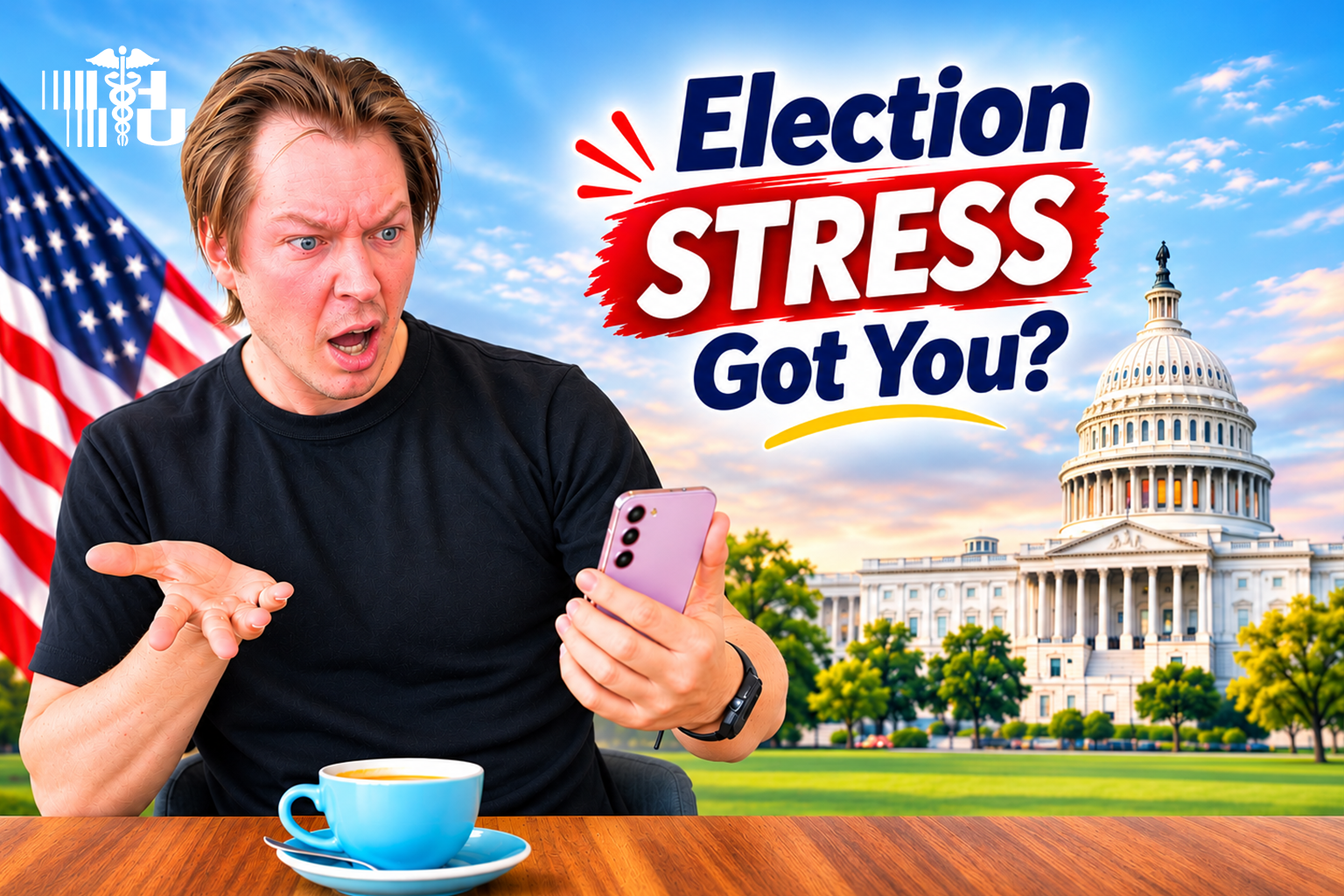
Election season can bring more than political debates and constant news updates. For many people, uncertainty about election results, concerns about the future, and difficult conversations with friends or family can contribute to increased stress and anxiety.
With the 2026 midterm elections drawing national attention, it’s understandable that some people may feel overwhelmed by the steady stream of headlines, social media discussions, and political commentary.
Political anxiety can affect people across the political spectrum. Regardless of personal beliefs or voting preferences, the combination of uncertainty, emotional investment, and constant information can take a toll on mental well-being.
Fortunately, there are practical ways to manage election-related stress without disconnecting completely from the issues that matter to you. Here are 10 strategies to help protect your mental health during election season and beyond.
Why Politics Gets Under Your Skin
Most of what makes election season so draining comes down to two things: political uncertainty and a lack of control.
Your brain is built to scan for threats and try to solve them. When the outcome is out of your hands, or when results trickle in over days, that system keeps running with nowhere to go. Add a 24-hour news cycle, social feeds built to keep you scrolling, and conversations at home or work that turn tense quickly, and it’s no surprise the stress builds.
Harmony United Psychiatric Care is a premier mental health clinic serving communities across Florida.
Find a provider near you
How it Shows Up
Political stress doesn’t always appear as obvious worry. It can also affect physical health, emotions, and daily habits.
- Trouble falling asleep, or waking at 3 a.m. and reaching for your phone.
- Headaches, a tight jaw, or an upset stomach.
- Snapping at family over small things.
- Checking results or headlines again and again, even when nothing has changed.
- Pulling away from friends or canceling plans.
How to Cope with Political Stress: 10 Practical Ways
None of these stress management techniques are complicated, and you don’t need to try all ten at once. Pick one or two that feel doable and start there.
1. Put the News on a Schedule
You don’t have to tune out completely to protect your peace. Psychologists often suggest picking two or three news sources you trust and checking political news a few times a day instead of all day long. Turn off push alerts for a while. If results are still coming in, set a time to check, then close the app.
2. Catch Yourself Doom scrolling
Doom scrolling usually starts with “I’ll just check one thing” and ends 45 minutes later with your heart racing. Election season is when the connection gets hard to ignore. Recent surveys suggest that people who spend hours on social media each day tend to feel more worried about the election than people who don’t. Try moving your social apps off your home screen, or set a timer before you open them.
3. Keep Your Normal Routines
Predictable moments help your nervous system settle when everything else feels up in the air. Therapists often recommend simple anchors, like a weekly call with a parent or dinner at the same time each night. Results week is a good time to protect those, not skip them.
4. Protect Your Sleep
Sleep is one of the most overlooked parts of anxiety management. Staying up until 2 a.m. waiting for a race to be called rarely changes anything except how you feel the next day. Set a news cutoff an hour before bed and keep your phone across the room. The results will still be there in the morning.
5. Move Your Body
A walk around the block counts. Research on stress shows that physical activity helps your nervous system recover faster when bad news hits, and it keeps stress from wrecking your sleep. Even ten minutes outside after a long stretch of screen time can take the edge off.
6. Slow Your Breathing
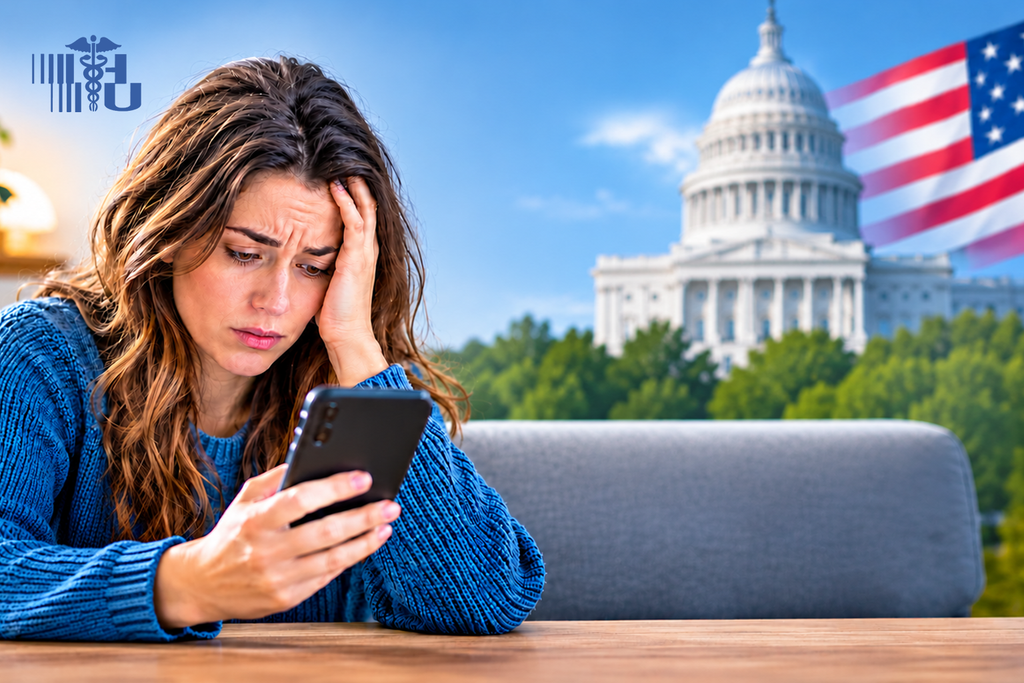
When you feel your chest tighten, slow breathing is one of the simplest tools for managing anxiety in the moment. Breathe in through your nose for about four counts, then out slowly for six. Making the exhale longer than inhaling tells your body it’s safe to come down a notch. A few rounds can help before you open the news or walk into a tense conversation.
7. Separate What You Can Control from What You Can’t
If you’re wondering how to stop worrying about election results, start here. On a paper, draw a line down the middle. On one side, write what’s out of your hands: vote counts, recounts, and what a candidate says next. On the other, write what is in your hands: how much news you read, how you treat the people around you, and whether you get some sleep tonight. Then put your energy into that second column.
8. Talk with People, Not at Them
Political talk with family can go sideways fast, especially with the holidays coming up. You can set a kind, clear boundary: “I love you, and I’m not up for talking politics today.” If you do talk, try to understand where the other person is coming from before making your own point. You won’t always agree, but the relationship usually matters more than winning the argument.
9. Do Something Meaningful
Feeling helpless feeds anxiety, and taking part in some meaningful action can ease it. Most people say they believe getting involved in their community can make a real difference, and counselors often see that small acts help people feel less stuck. Volunteering at a food bank, checking in on a neighbor, or joining a local group you care about are all ways to turn worry into something useful.
10. Make Room for Things that Feel Good
Your emotional well-being needs more than less bad news. It needs some good stuff too. Watch a show, cook something you love, call a friend who always makes you laugh, or spend an afternoon at the beach. Taking a break from the headlines isn’t ignoring what’s happening. It’s how you refill enough to keep showing up.
When to Seek Professional Help for Anxiety
For many people, election-related stress decreases as uncertainty subsides. However, anxiety may persist or begin affecting everyday life.
It may be time to reach out for support if:
- You’re having trouble sleeping, working, or getting through the day for more than a couple of weeks.
- Worry or dread feels constant, even when you’re not watching the news.
- You’re relying on alcohol, food, or other habits to get through.
- Old anxiety or depression symptoms have come back stronger.
- You feel hopeless about the future.
None of this means you’re overreacting. Coping with anxiety on your own can only go so far, and your mind and body have been carrying a lot. You deserve real help with it.
If the news has been weighing on you and it’s starting to affect your sleep, your mood, or your relationships, talking with someone can help you sort through it.
Political uncertainty can be stressful, but it doesn’t have to interfere with your everyday well-being. If anxiety is affecting your sleep, mood, relationships, or daily activities, professional support may help.
Harmony United Psychiatric Care provides mental health services throughout Florida, including psychiatric evaluations, individual therapy, medication management, and telehealth appointments.
Our providers work with patients to create treatment plans that reflect their individual symptoms, concerns, and treatment preferences.
To call 800-457-4573 or submit an appointment request to take that first steady step towards feeling more like yourself, whatever the headlines say.
Frequently Asked Questions
Election anxiety is the stress, worry, or emotional tension people experience around elections and political events. It can stem from uncertainty about election results, concerns about the country’s future, political disagreements, or constant exposure to news and social media.
Political news can trigger anxiety because it often involves uncertainty, conflict, and issues that feel important but are outside your control. Constant news alerts, heated discussions, and repeated exposure to upsetting stories can make it difficult for your mind to relax.
You can manage election-related anxiety by limiting how often you check the news, turning off unnecessary notifications, maintaining your daily routine, getting enough sleep, and focusing on things within your control. Taking breaks from political discussions and spending time on activities you enjoy can also help.
Doomscrolling involves repeatedly checking negative news or social media updates, even when doing so increases your stress. It can contribute to anxiety, sleep difficulties, emotional exhaustion, and trouble concentrating. Setting screen-time limits and choosing specific times to check the news can help break this habit.
It may be helpful to speak with a mental health professional if political stress begins affecting your sleep, work, relationships, or everyday routine. Ongoing worry, mood changes, trouble relaxing, or feeling overwhelmed even when you’re not following the news are also signs that talking to someone could help.
Yes. Therapy can help you identify what is the root cause of your anxiety, respond to stressful news in healthier ways, set boundaries around political discussions, and manage ongoing worry. A trained mental health provider can work with you to find practical coping techniques that suit your situation and everyday life.
Leave a Reply