

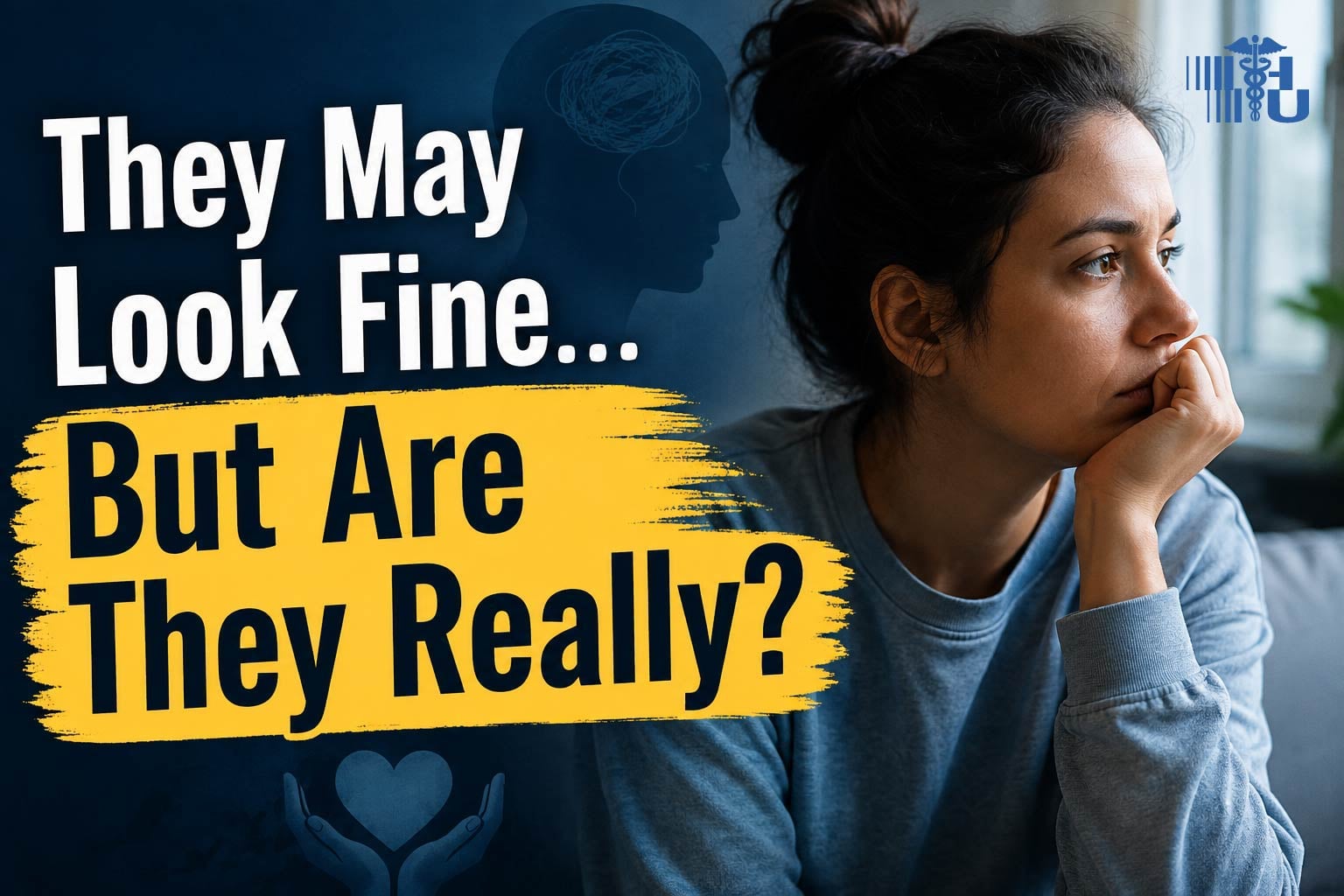
Someone in your life may be struggling with thoughts of suicide without showing obvious signs. They may continue going to work, spending time with family, or participating in everyday activities while experiencing significant emotional distress. That gap between what people show and what they actually feel is exactly why World Suicide Prevention Day exists.
Every September, communities around the world pause to talk about something that’s often kept quiet: suicide. World Suicide Prevention Day falls on September 10th, and it exists for one simple reason, silence costs lives, and conversation saves them. As World Suicide Prevention Day 2026 approaches, it’s worth taking a real look at what suicide prevention awareness actually means, why mental health awareness matters year-round, and what each of us can do when someone we know is struggling.
Harmony United offers these services near you throughout Florida, both in person and through telepsychiatry, so support is never too far out of reach.
Harmony United Psychiatric Care is a premier mental health clinic serving communities across Florida.
Find a provider near you
What is World Suicide Prevention Day?
World Suicide Prevention Day (WSPD) is organized in collaboration with the International Association for Suicide Prevention (IASP), which started organizing World Suicide Prevention Day in 2003.
The goal was straightforward: raise suicide awareness, reduce stigma, and give people a shared moment to talk openly about a topic that too many families still navigate alone. It also kicks off suicide awareness month observances that continue through September, with organizations, schools, and mental health providers hosting events, screenings, and educational campaigns.
The day matters because suicide remains one of the leading causes of death worldwide, affecting people across all ages, income levels, and backgrounds. Behind every statistic is a person, a family, and often years of untreated depression, anxiety, trauma, or overwhelming stress. Mental Health Awareness Day observances like this one remind us that many of these deaths can be prevented when people get the support they need early enough.
Why Suicide Prevention Awareness Matters
Suicide prevention isn’t just a slogan for one day a year. Taking care of mental health is as integral as physical health, and asking for help doesn’t make you weak. Despite decades of progress, stigma still keeps people quiet. Someone battling suicidal thoughts might worry about being judged, misunderstood, or treated differently at work or in their relationships. That fear can be more paralyzing than the pain itself.
This is where mental health support becomes so important. When people know they’ll be met with compassion instead of judgment, they’re far more likely to reach out before a crisis becomes a tragedy. Suicide prevention, at its core, is about building that kind of environment at home, in schools, in workplaces, and in healthcare settings.
Recognizing Suicide Warning Signs & Risk Factors
Someone’s suicide risk varies as a result of the number and intensity of certain factors, including life circumstances and community conditions.
Potential Risk Factors
- Previous suicide attempts
- History of depression and other mental illnesses
- Financial problems or job loss
- Bullying or social isolation
- Lack of access to health care
- Easy access to lethal means
- Intimate partner or family relationship problems
Potential Warning Signs
- Feeling hopeless and unworthy of oneself
- Thinking that you are unworthy and a burden on someone
- Withdrawing from friends, family, or activities they used to enjoy
- Sudden mood changes, periods of deep sadness, followed by an unusual calm
- Giving away belongings or making final arrangements
- Increased use of alcohol or drugs
- Expressing feelings of hopelessness or being trapped
- Changes in sleep, appetite, or energy that don’t have an obvious cause
Not everyone who is considering suicide will show obvious warning signs, which is exactly why paying attention to risk factors matters just as much.
How to Prevent Suicide: What You Can Actually Do
People often assume they need special training to help someone in crisis. In reality, some of the most effective things you can do are also the simplest.
- Ask Directly
Asking someone if they’re thinking about suicide does not plant the idea; it opens the door for honesty.
- Listen Without Fixing
Don’t rush to immediately fix things or minimize their pain. Avoid arguing about whether their feelings are “rational”; instead, focus on making sure they feel heard.
- Respond to Immediate Danger
If someone may be in immediate danger, stay with them and seek immediate help. In the U.S., call or text 988 to reach the 988 Suicide & Crisis Lifeline. If there is an immediate life-threatening emergency, call 911 or go to the nearest emergency department.
- Stay Connected After the Crisis Passes
A crisis moment often ends, but the underlying pain doesn’t disappear with it. Checking in over the following days and weeks, even with something as small as a text, tells someone they’re not forgotten once the immediate danger has passed.
- Support Ongoing Care
Therapy, medication management, peer support groups, and regular check-ins with a psychiatric provider all play a role in helping someone build long-term stability rather than just surviving one hard day.
- Take Care of Yourself Too
Supporting someone through suicidal thoughts can be emotionally heavy. Lean on your own support system, and don’t hesitate to talk to a professional yourself if you’re carrying more than you can hold alone.
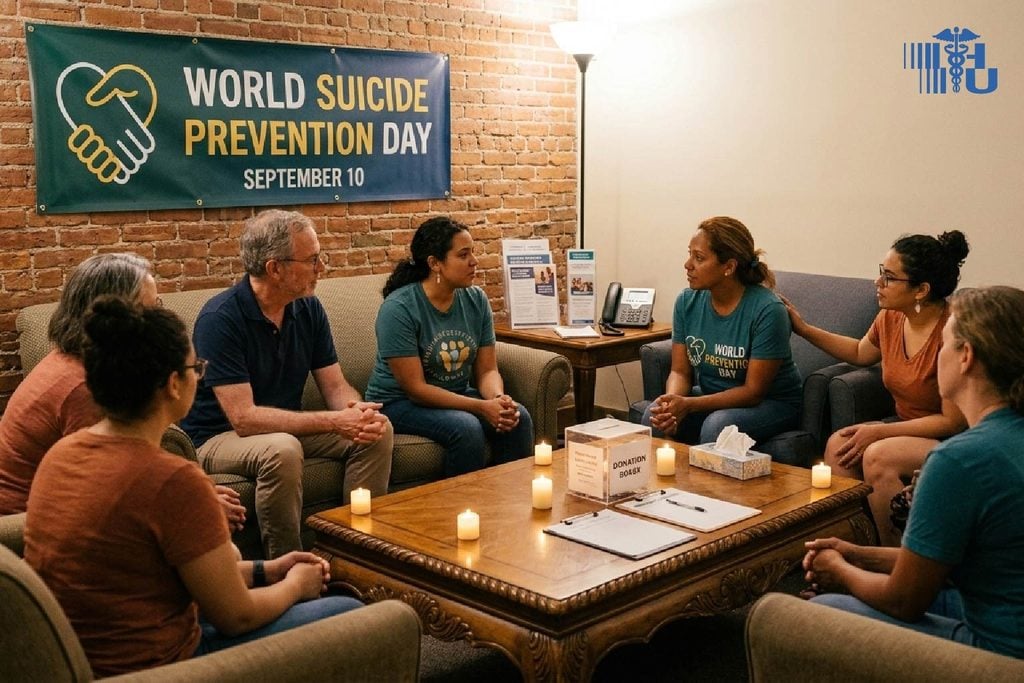
Treatment and Support That May Help Reduce Suicide Risk
Cognitive Behavioral Therapy (CBT)
CBT helps people identify the thought patterns that fuel hopelessness and replace them with more grounded, manageable ways of thinking. It’s one of the most widely used approaches for treating depression and suicidal ideation.
Dialectical Behavior Therapy (DBT)
Originally developed for people experiencing intense emotional swings and self-harm urges, DBT teaches concrete skills for tolerating distress, managing emotions, and staying present in moments that feel overwhelming.
Safety Planning Intervention
This is a short, structured approach where a person works with a provider to build a personal plan they can turn to during a crisis, including warning signs to watch for, coping strategies, and who to reach out to.
Medication Management
For many people, antidepressants or other prescribed medications, combined with regular psychiatric follow-ups, help stabilize mood enough for therapy and other support to actually take hold.
Medication may be part of treatment for underlying mental-health conditions associated with increased suicide risk, such as depression or other psychiatric disorders. A psychiatrist or other qualified healthcare professional can determine whether medication is appropriate and monitor its effectiveness, side effects, and overall treatment response.
Group and Peer Support
Connecting with others who’ve faced similar struggles can reduce the isolation that often feeds suicidal thoughts, and it reminds people they’re not the only ones carrying this weight.
Getting Support Near You
If you or someone you know is experiencing suicidal thoughts or is in immediate danger, call or text 988 or seek emergency assistance.
For individuals seeking ongoing mental health care, Harmony United Psychiatric Care offers psychiatric evaluation, therapy, medication management, and other outpatient services, with in-person and telehealth appointments available.
Real, lasting relief is possible, and you don’t have to carry things by yourself.
To schedule an appointment, call 800-457-4573 or submit an appointment request and take that first step toward getting the support you deserve.
Building a Culture of Mental Health Awareness
Mental health awareness shouldn’t be limited to a single day or month. Schools can integrate emotional wellness into their curriculum. Employers can offer real mental health benefits and normalize using them. Families can create space for honest conversations without fear of overreacting. Every one of these small shifts adds up to a culture where people don’t have to hit a breaking point before they ask for help.
——————————————————————————————————————————————————————————————————————————–
This article is intended for general education on suicide awareness and prevention. If you or someone you know is experiencing thoughts of suicide, please contact the 988 Suicide & Crisis Lifeline (call or text 988) or emergency services immediately.
Frequently Asked Questions
World Suicide Prevention Day is observed every year on September 10 to raise awareness about suicide prevention, reduce stigma, and encourage open conversations about mental health and suicide. The day promotes greater understanding of suicide risk and the importance of connecting people with appropriate support.
Common warning signs may include talking about death or suicide, expressing hopelessness or feeling like a burden, withdrawing from loved ones, giving away possessions, making final arrangements, sudden mood changes, increased substance use, and significant changes in sleep, appetite, or energy. A person may not show obvious warning signs, which is why staying connected and checking in can be important.
Suicide risk can be influenced by multiple factors, including a history of suicide attempts, depression or other mental health conditions, relationship problems, social isolation, bullying, financial difficulties, job loss, substance use, limited access to healthcare, and access to lethal means. Having a risk factor does not mean someone will attempt suicide.
Start by talking with them calmly and listening without judgment. Ask directly about suicidal thoughts, take their concerns seriously, and help connect them with professional or crisis support. If they are in immediate danger, stay with them and seek emergency assistance.
If someone is in immediate danger, do not leave them alone. Help create a safer environment by reducing access to firearms, medications, or other potential means of self-harm when it is safe to do so. In the U.S., call or text 988 for the Suicide & Crisis Lifeline. If there is an immediate emergency, contact emergency services.
Yes. Therapy can help address the mental health conditions, emotional distress, and thought patterns that may contribute to suicidal thoughts. Depending on a person’s needs, treatment may include Cognitive Behavioral Therapy (CBT), Dialectical Behavior Therapy (DBT), safety planning, medication management, and other forms of professional support.
Medication may help treat underlying mental health conditions such as depression or other psychiatric disorders that can contribute to suicidal thoughts. A psychiatrist or other qualified healthcare professional can determine whether medication is appropriate and monitor its effects as part of an individualized treatment plan.
Suicide awareness focuses on understanding suicide, recognizing warning signs, reducing stigma, and encouraging conversations. Suicide prevention focuses on taking action to reduce risk and connect people with appropriate support and treatment. Both are important parts of creating safer, more supportive communities.
If you or someone you know is experiencing suicidal thoughts, seek immediate support from a crisis service, emergency service, or qualified mental health professional. In the U.S., you can call or text 988 for the Suicide & Crisis Lifeline. For ongoing care, a psychiatrist or therapist can help assess symptoms and develop an appropriate treatment plan.
Harmony United Psychiatric Care provides psychiatric care, therapy support, medication management, and telepsychiatry services across Florida, with both in-person and online care options.
This article is intended for general education on suicide awareness and prevention. If you or someone you know is experiencing thoughts of suicide, please contact the 988 Suicide & Crisis Lifeline (call or text 988) or emergency services immediately.
Reference Links
https://en.wikipedia.org/wiki/World_Suicide_Prevention_Day
https://www.who.int/campaigns/world-suicide-prevention-day
https://www.nimh.nih.gov/health/topics/suicide-prevention
https://www.psychiatry.org/patients-families/suicide-prevention
Leave a Reply