
Depression is a word almost everyone knows, yet almost no one truly understands until they’re living inside it. It gets tossed around casually to describe a bad day, which makes it harder for people to talk about what clinical depression actually feels like. Even those carrying it day after day often struggle to put words to it. “Tired” doesn’t quite cover it. Neither does “sad”. It’s closer to a kind of static that dulls everything, including the things that used to feel good.
Harmony United Psychiatric Care has built a strong reputation across Florida for treating depression with the seriousness it deserves. Our providers design individualized, evidence-based treatment plans, and when standard approaches haven’t worked, we offer options like TMS therapy for depression that can open a path forward when other treatments don’t show the improvements.
Harmony United Psychiatric Care is a premier mental health clinic serving communities across Florida.
Find a provider near you
What Depression Can Feel Like?
Depression rarely announces itself. It tends to creep in through small changes that are easy to explain away: a little less energy, a little less interest, sleep that feels off in ways you can’t quite pin down. Left unaddressed, those small changes tend to compound.
Early warning signs often include:
- Losing interest in hobbies or activities you once used to enjoy
- Feeling tired even after a full night’s sleep
- Trouble concentrating or making decisions
- Withdrawing from friends or family without really deciding to
- Noticeable changes in appetite or eating habits
- A general sense of flatness or numbness
As major depressive disorder progresses, these symptoms tend to sharpen and multiply. Getting out of bed can start to feel like a genuine task. Work or school performance may slip. Relationships strain under the weight of someone who seems, and often feels, absent even when they’re in the room. For some people, thoughts turn dark, and everyday functioning becomes genuinely difficult.
The exhaustion that sleep doesn’t fix. You may find yourself sleeping nine or ten hours and still waking up feeling like you never went to bed. Coffee stops helping. Naps don’t help either. It’s not laziness, though it can feel that way from the inside, and it can look that way to people who don’t understand what’s happening.
The fog that makes simple things hard. You may notice yourself rereading the same email three times, forgetting why you walked into a room, or sitting in a meeting unable to follow the conversation. Decisions that used to take seconds start to feel enormous, like choosing what to eat for dinner or which email to answer first.
The pulling away. You may find yourself declining invitations you would have said yes to a year ago, letting texts sit unread for days, or standing at a family gathering feeling like you’re watching it from behind glass. It’s not that you stopped caring about the people in your life. It’s that connecting with them suddenly takes more than you have.
When to Consider TMS Therapy for Depression
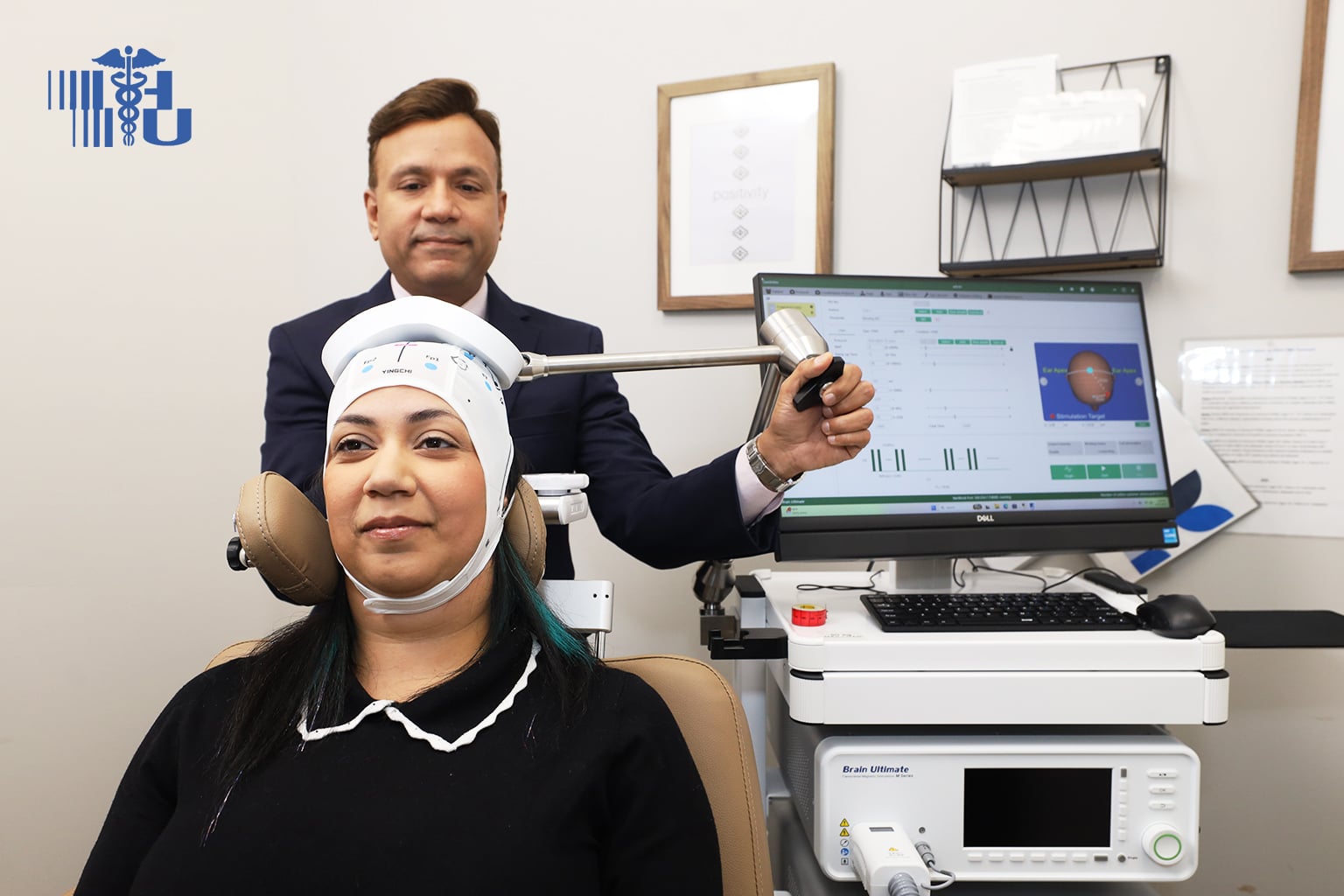
TMS is a therapeutic procedure that is non-invasive and uses magnetic fields to stimulate certain nerve cells in the brain, with a special focus on the nerve cells that are involved with mood control.
TMS works differently from medication or talk therapy. In many people with depression, MDD, or OCD, this area is underactive. TMS uses targeted magnetic pulses to stimulate brain areas involved in mood regulation.
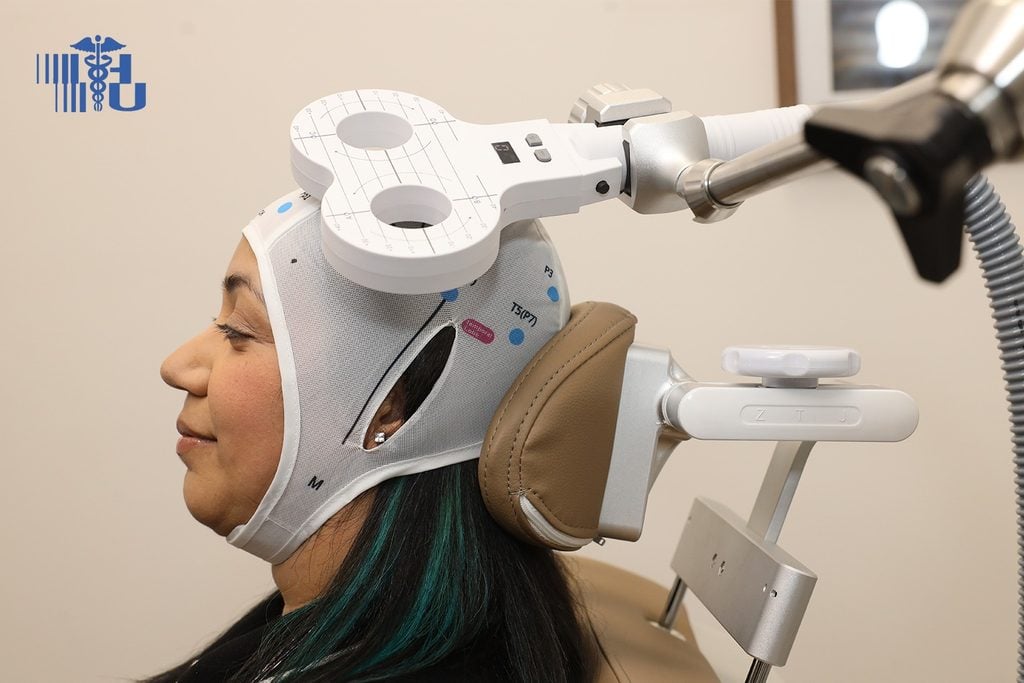
A typical session takes about 20 to 40 minutes. You sit in a chair, fully awake, while a magnetic coil placed near your scalp delivers pulses in a repeating pattern. There’s no sedation and no recovery time. Most people drive themselves home afterward and go straight back to work or the rest of their day. A full course usually runs five days a week for four to six weeks, though the exact timeline depends on how you respond.
TMS therapy side effects tend to be mild. Some people notice scalp discomfort or a mild headache during or shortly after treatment, especially in the first week or two, and this usually fades as the brain and scalp adjust. Unlike many antidepressant medications, TMS doesn’t carry systemic side effects like weight gain, sexual dysfunction, or drowsiness, since it isn’t circulating through the bloodstream. Seizure risk exists but is very rare, and candidates are screened carefully beforehand.
What draws many people to TMS is the numbers behind it. Clinical research has shown that many people with treatment-resistant depression experience meaningful symptom improvement with TMS, and some achieve remission. Individual results vary. It’s FDA-cleared for depression that hasn’t responded to standard treatment, and depending on the provider, it may also be used for OCD. For someone who has tried medication after medication without real relief, that track record matters.
Finding the Right Treatment for Depression
Depression is rarely something you resolve once and move past permanently. For some people, depression is a single episode; for others, symptoms can return or require ongoing management. That’s why continued communication with your provider and a treatment plan tailored to your needs are important.
At Harmony United Psychiatric Care, treatment usually combines several approaches working together. Medication management can help reduce depression symptoms and is often used alongside psychotherapy and other treatments as part of an individualized care plan. Individual therapy gives you space to work through patterns of thinking and coping strategies with a licensed clinician. Group therapy provides a supportive space to connect with people who understand what you’re going through, helping reduce the isolation that often comes with depression. And for cases that haven’t responded to these standard treatments, TMS treatment for depression offers a non-invasive option that uses magnetic pulses to stimulate areas of the brain involved in mood regulation. TMS is FDA-cleared for treatment-resistant depression and major depressive disorder. It may also be used for OCD in certain cases, depending on clinical appropriateness and insurance coverage.
Alongside clinical care, self-help measures matter too: regular exercise, a stable diet, consistent sleep, and avoiding alcohol or drugs, which can worsen symptoms or interfere with treatment. Perhaps most important is staying engaged with your treatment plan even during stretches when you feel better. Depression can return quietly, and consistent care is what keeps it from taking hold again.
Moving Forward
No two people experience depression the same way, and symptom severity varies widely from person to person. Some misconceptions still linger, like the idea that depression is a character flaw or something a person should simply be able to push through. Neither is true. Depression is a medical condition, and it responds to medical treatment.
If standard treatments haven’t provided enough relief, that doesn’t mean you’ve run out of options. TMS is an evidence-based treatment that may provide another path forward for appropriate patients with treatment-resistant depression. There is no single right way to treat depression, but there are proven ways that work, and finding the right combination is what good psychiatric care is built around.
To learn more about depression, treatment-resistant depression, and options like TMS therapy, including what to expect and TMS therapy side effects, visit Harmony United Psychiatric Care’s Mental Health Library. If you or someone you love is struggling with depression that hasn’t responded to treatment, we’re here to help.
Submit an Appointment Request Online or call us at (800) 457-4573 to speak with our team.
Frequently Asked Questions
TMS is a therapeutic procedure that is non-invasive and uses magnetic fields to stimulate certain nerve cells in the brain, with a special focus on the nerve cells that are involved with mood control. It is FDA-approved for major depressive disorder, including depression that has not improved with other treatments.
TMS may be considered when depression has not improved enough with antidepressant medications, psychotherapy, or other standard treatments. A mental health provider evaluates your symptoms, treatment history, medication, and overall health to determine whether TMS may be appropriate.
Research shows that many people with treatment-resistant depression experience meaningful improvement with TMS, and some achieve remission. Individual results differ depending on factors such as treatment history, depression severity, and response to therapy.
Each individual’s response to TMS varies. However, a significant number of patients begin to notice an uplift in their mood and a reduction in their symptoms within the first few weeks of commencing treatment. TMS stands as a strong option for empowering your mental health, especially when combined with mental health management techniques.
TMS is generally well tolerated. The most reported side effects include temporary scalp discomfort or headache during or after treatment. Serious adverse effects, including seizures, are rare.
A TMS session lasts about 20–40 minutes. A typical course involves treatment five days a week for several weeks. While that can feel like a significant commitment, individual sessions are relatively brief, require no anesthesia or recovery time, and most patients can return to their normal activities immediately afterward.
Yes. TMS is specifically used as a treatment option for people whose depression has not improved adequately with standard treatments. It can sometimes be used alongside medication and psychotherapy as part of an individualized treatment plan.
Reference Links
https://pmc.ncbi.nlm.nih.gov/articles/PMC6738665
https://pmc.ncbi.nlm.nih.gov/articles/PMC11234753
https://www.uclahealth.org/news/release/study-finds-possible-early-predictor-successful-transcranial
https://www.yalemedicine.org/news/transcranial-magnetic-stimulation-tms-what-you-need-to-know
Leave a Reply