
Sometimes, the person who knows the most about a mental health struggle isn’t the person reading the chart. It’s the person living it.
They know which symptoms get dismissed as stress. They know what it took to finally ask for help, what treatments they’ve already tried, and what made them lose trust in care along the way. They also know things a diagnosis alone can’t explain: what anxiety feels like at 2 a.m., why a treatment that works for someone else may not feel right for them, or what finally made it possible to function again.
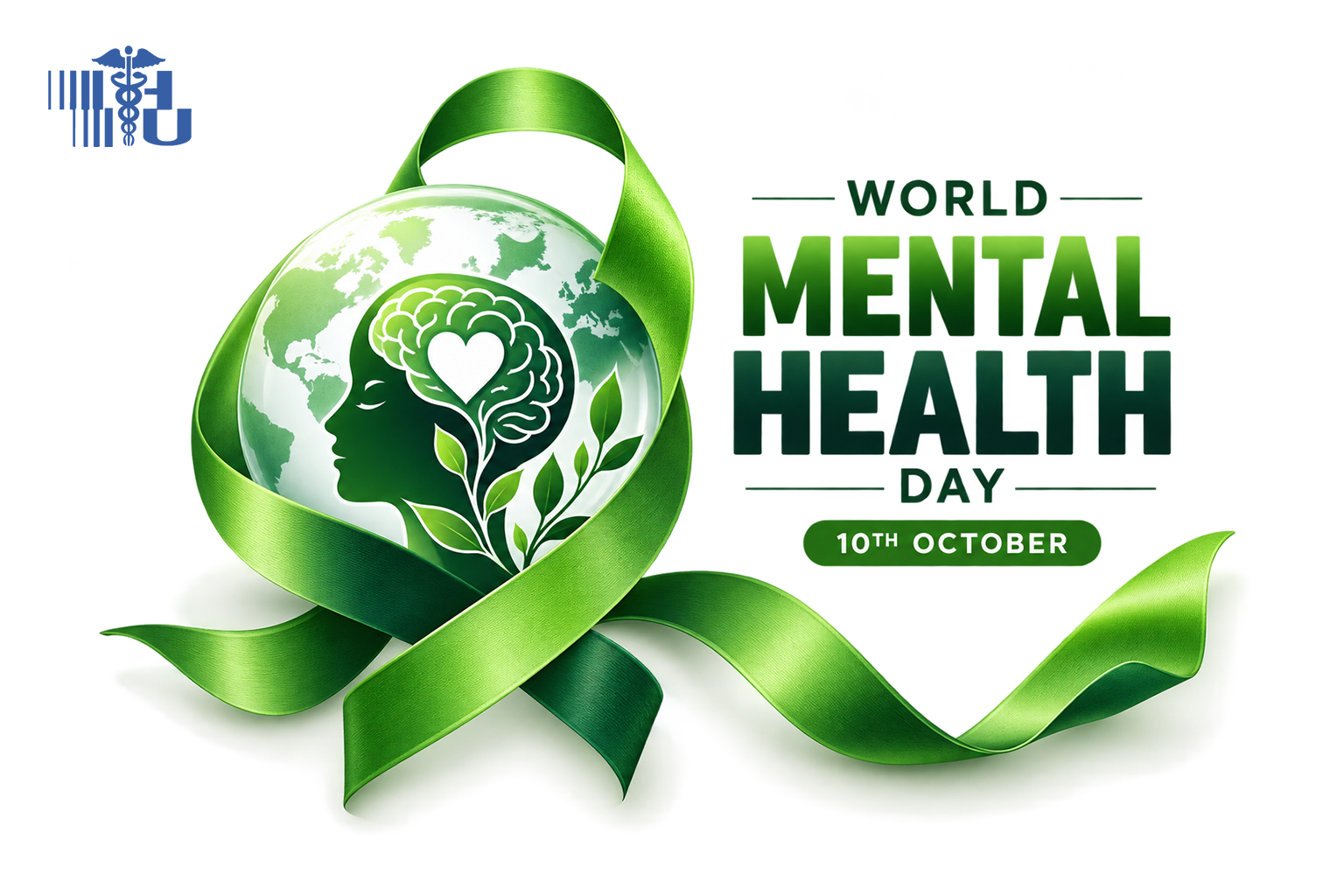
That’s the idea behind World Mental Health Day 2026, observed on October 10, and this year’s focus on “Lived Experiences Heard: Real Voices, Real Change.” The message is bigger than encouraging people to share their stories. It’s about actually listening to those experiences and letting them influence how mental health care is delivered. Because being heard matters. But real change happens when something changes because you were heard.
Harmony United Psychiatric Care is a premier mental health clinic serving communities across Florida.
Find a provider near you
What “Lived Experience” Means
Lived experience isn’t a clinical term. It’s the knowledge someone builds just by going through something: years of managing anxiety before a diagnosis finally had a name, the specific moment a medication started working, or the exact phrase a doctor used that made them stop trusting the process. That knowledge doesn’t come from a textbook, and it doesn’t expire when a treatment plan changes.
Lived experience brings something to mental health care that clinical training alone cannot provide. A mental health provider can know the diagnostic criteria for depression without knowing what it actually feels like to cancel plans for the fifth week in a row or what it took for a patient to finally make that first phone call. Good care treats both kinds of knowledge as necessary, not just one.
Someone who has spent years seeking answers brings more than a diagnosis into an appointment. They bring a history of symptoms, treatments, setbacks, coping strategies, questions, and experiences with the health care system.
When providers make room for that history, they can gain a fuller picture of the person’s needs, not just what appears in a medical record. Lived experience doesn’t replace clinical expertise. It adds another important source of knowledge to the conversation.
Why This Matters Beyond a Single Day
This year’s theme connects to something bigger: a push by the World Health Organization for mental health care that treats people as people, not as cases to manage from a distance. That’s a global conversation. But you can see it in small ways, right in a regular appointment.
It looks like a provider asking what hasn’t worked before, instead of starting over from scratch. It looks like changing your treatment plan because you said it didn’t feel right, not because a chart said otherwise. It looks like getting believed the first time you describe a symptom, instead of having to wait until it gets worse. None of that is complicated. It’s just slower, and it means working together instead of treating a diagnosis as the whole story.
Mental health advocacy doesn’t have to mean a big campaign. Sometimes it’s just telling your doctor what actually helped. Sometimes it’s about speaking up when a friend still treats therapy as a last resort rather than something normal.

What Real Change Looks Like
You don’t need a campaign or a platform to put this year’s theme into practice. Real change doesn’t usually come from one big conversation. It comes from someone showing up again and again with their actual experience and a mental health provider who keeps adjusting instead of sticking to a script. A few small things make a real difference:
- If something about your treatment isn’t working, say so. Don’t just assume your provider already knows.
- If you’ve found words that actually describe what you’re going through, use them, even if they’re not clinical. A good provider will follow your lead.
- If you’re supporting someone else, ask what they’ve learned about themselves first before jumping in with advice.
- If a past provider let you down, bring it up at your next appointment. That’s useful information, not something you need to apologize for.
Seeking Mental Health Support That Actually Listens
Real voices create real change, but only if someone’s listening on the other end, and only if that listening actually moves something. That’s the real measure behind this year’s theme, and it doesn’t stop on October 10. It carries into your next appointment, and the one after that, every time you’re asked a question and believe your answer will be heard.
If you’re searching for a psychiatrist near me this year, look for one who treats your history as part of the diagnosis, not a footnote to it. Harmony United Psychiatric Care provides mental health care and support across Florida, built around what’s actually happening in your life, not just a diagnosis code. That includes medication management, individual therapy, and telepsychiatry for anyone who needs flexibility. You can also look through our team of providers to find someone whose approach fits how you actually want to be heard.
To schedule an appointment, call 800-457-4573 or submit an appointment request, and start the kind of care that listens before it prescribes.
Frequently Asked Questions
Lived experience is the personal knowledge someone gains from going through a mental health challenge, seeking treatment, or supporting someone who has. It includes what symptoms feel like in daily life, what treatments have helped or failed, and how past experiences have shaped their trust in mental health care.
Lived experience helps providers understand what a diagnosis or symptom looks like in a person’s actual life. Listening to a patient’s experiences can help providers recognize overlooked concerns, understand what has or hasn’t worked before, and create treatment plans that better fit the person’s needs.
“Lived Experiences Heard: Real Voices, Real Change” is the theme for Mental Health Day 2026. The focus highlights the importance of listening to people’s personal experiences with mental health and using what they share to improve mental health care and support.
Lived experience can improve treatment by giving providers information that may not appear in a diagnosis or medical history. When patients explain their symptoms, past treatments, concerns, and what has helped them cope, providers can use that information to develop or adjust a treatment plan.
Start by sharing what you’re experiencing in your own words, including symptoms that are difficult to explain, treatments you’ve tried, and anything that has affected your trust in care. You can also tell your provider when something isn’t working or doesn’t feel right. Good mental health care should leave room for your experiences to be part of the conversation.
Listen without immediately trying to fix the problem or give advice. Ask what they have learned about themselves, what kind of support they need, and what has helped them in the past. Taking their experience seriously can make it easier for them to seek support and speak openly about what they are going through.
Reference Links
https://www.who.int/campaigns/world-mental-health-day/2026
https://wfmh.global/news/2026.26-08-11_world-mental-health-day-2026
Leave a Reply