

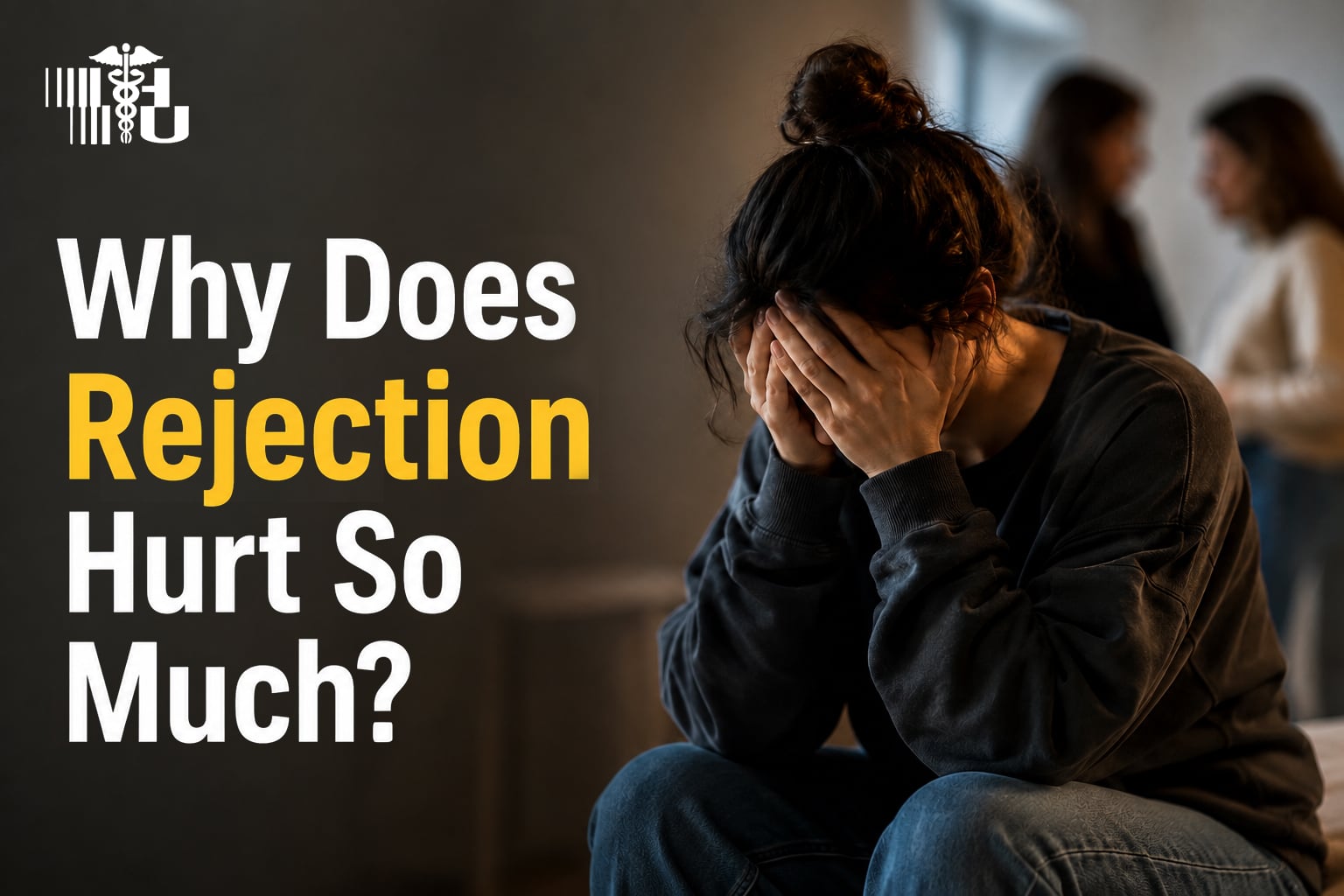
Have you ever spent hours replaying a conversation because you were worried you said the wrong thing? Or felt deeply hurt by what seemed like a small criticism? If so, you’re not alone. For many people with ADHD, these experiences may be linked to rejection-sensitive dysphoria (RSD).
Although Rejection Sensitive Dysphoria (RSD) is not an official diagnosis listed in the DSM-5, many clinicians and researchers recognize it as a pattern of intense emotional sensitivity that is commonly reported by people with ADHD. Research into RSD continues to evolve, but emotional dysregulation is widely recognized as an important part of ADHD for many individuals. It describes an intense emotional reaction to real or perceived rejection, criticism, or failure. Understanding what RSD is and how it’s connected to ADHD can help explain emotional patterns that may have felt confusing for years and, more importantly, help you find the right support.
Harmony United Psychiatric Care is a premier mental health clinic serving communities across Florida.
Find a provider near you
What is Rejection Sensitive Dysphoria (RSD)?
Rejection Sensitive Dysphoria refers to a strong emotional response to feeling rejected, criticized, embarrassed, or let down. People with RSD may experience sudden sadness, anger, shame, anxiety, or even the urge to withdraw after a minor comment or setback. These reactions can feel overwhelming, fast, and difficult to control, which is why many people describe RSD as emotionally “painful” rather than simply upsetting.
Many experts believe RSD and ADHD are closely tied to emotional dysregulation, which is common in people with ADHD. Emotional dysregulation makes it harder for the brain to regulate emotional responses, causing feelings to become more intense and harder to calm.
Although anyone can experience rejection, people with ADHD and rejection sensitivity often describe emotional reactions that are faster, stronger, and longer-lasting than expected.
Connection between ADHD and Rejection Sensitivity
The connection between ADHD and rejection sensitivity goes beyond attention or hyperactivity. ADHD affects the brain’s ability to process emotions, manage impulses, and interpret social interactions. As a result, everyday situations such as receiving feedback, making a mistake, or feeling left out can trigger a much stronger emotional response.
For many people, these reactions are shaped not only by how the ADHD brain processes emotions but also by years of being misunderstood, corrected, or struggling to meet expectations at school, work, or in relationships. Over time, these repeated experiences can make the fear of criticism or rejection feel more intense. Emotional dysregulation doesn’t mean someone is “too emotional.” Instead, it refers to difficulty regulating emotional responses, which can cause feelings to become more intense, occur more quickly, or take longer to settle after a stressful event.
While not everyone with ADHD experiences Rejection Sensitive Dysphoria (RSD), many people find that challenges with emotional regulation and rejection sensitivity often go hand in hand. Understanding this connection is an important step toward recognizing that these reactions are part of a broader pattern, not a personal weakness, and that effective support is available.
Common Signs of Rejection Sensitive Dysphoria
The symptoms of RSD can look different from person to person. RSD often affects thoughts, emotions, and behavior. Although symptoms vary, many people notice patterns such as:
- Feeling devastated by criticism, even when it’s constructive.
- Constantly worrying that others are disappointed or upset with you.
- Avoiding new opportunities because of fear of rejection or failure.
- Intense emotional reactions that seem difficult to control.
- People-pleasing to avoid conflict or disapproval.
- Low self-esteem or persistent self-criticism.
- Sudden ADHD mood swings following a disagreement or perceived rejection.
- Withdrawing from relationships after feeling hurt.
Causes of Rejection Sensitive Dysphoria
If you’ve wondered what causes Rejection Sensitive Dysphoria, there’s no single answer. Instead, experts believe several factors contribute, including:
- Differences in brain function associated with ADHD.
- Lifelong experiences of criticism or feeling misunderstood.
- Chronic stress from managing ADHD symptoms.
- Genetic and neurological factors that affect emotional processing.
For many people, these experiences build over time, making emotional reactions feel more intense in adulthood.
Researchers believe RSD develops through a combination of neurological differences associated with ADHD and repeated life experiences, such as frequent criticism, academic struggles, social rejection, or feeling misunderstood during childhood.
Although RSD can feel overwhelming, many people learn to manage these emotional reactions successfully with the right combination of support, treatment, and coping strategies.

RSD Can Be Mistaken for Anxiety or Depression
RSD involves strong emotional reactions; it can sometimes be confused with ADHD and anxiety or ADHD and depression. While these conditions can occur together, they aren’t the same.
A comprehensive ADHD diagnosis looks at the full picture, including attention, executive functioning, emotional regulation, and mental health symptoms. Identifying the underlying cause helps ensure you receive the most appropriate care.
Treating Rejection Sensitive Dysphoria
An effective RSD treatment plan may include:
- Individual therapy to understand emotional triggers.
- Medication management when clinically appropriate.
- Building healthier ADHD coping strategies.
- Learning practical skills that strengthen ADHD emotional regulation.
- Encouraging group therapy to strengthen emotional well-being.
- Developing self-regulation, self-awareness, and resilience through consistent support.
- Cognitive Behavioral Therapy (CBT)
- Dialectical Behavior Therapy (DBT)
- Mindfulness
- Emotional regulation techniques
Many people notice that as their ADHD symptoms become better managed, emotional reactions also become easier to understand and navigate. With the right treatment, it’s possible to build confidence, improve relationships, and feel more in control of everyday emotions.
Living with ADHD doesn’t mean you have to navigate intense emotional reactions or rejection sensitivity on your own. If Rejection Sensitive Dysphoria (RSD), emotional overwhelm, or ADHD symptoms are affecting your work, relationships, or daily life, compassionate support is available. At Harmony United Psychiatric Care, our compassionate team provides comprehensive ADHD evaluations, personalized therapy, medication management, and individualized treatment plans across Florida through both in-person visits and secure telepsychiatry. Call 800-457-4573 or submit an appointment request to take the first step toward building healthier emotional resilience and feeling more like yourself again.
Key Takeaway
Rejection Sensitive Dysphoria (RSD) can be one of the most misunderstood aspects of ADHD, yet it has a real impact on emotional well-being, relationships, and self-confidence. Understanding the connection between RSD and ADHD, emotional dysregulation, and ADHD and rejection sensitivity can help you make sense of experiences that once felt isolating. If these patterns sound familiar, an accurate diagnosis and personalized treatment can help you develop healthier emotional regulation skills, resilience, and improve your overall quality of life.
Frequently Asked Questions
Rejection Sensitive Dysphoria (RSD) is an intense emotional response to real or perceived rejection, criticism, or failure. While it isn’t an official mental health diagnosis, it’s commonly experienced by people with ADHD due to challenges with emotional regulation.
There isn’t a single cause of Rejection Sensitive Dysphoria. Experts believe it may result from differences in brain function associated with ADHD, lifelong experiences of criticism or rejection, and difficulties with emotional regulation. These factors can make emotional reactions feel more intense than expected.
Yes. Rejection Sensitive Dysphoria (RSD) is strongly associated with ADHD, particularly because many people with ADHD experience emotional dysregulation. Although not everyone with ADHD develops RSD, the two conditions frequently occur together and can significantly affect relationships, work, and self-esteem.
Treatment for Rejection Sensitive Dysphoria often focuses on managing the underlying ADHD and improving emotional regulation. A personalized treatment plan may include therapy, medication management, practical coping strategies, and lifestyle changes that help reduce emotional overwhelm and build resilience.
Learning how to overcome Rejection Sensitive Dysphoria takes time, but it is possible with the right support. Understanding emotional triggers, developing healthy coping strategies, practicing emotional regulation skills, and receiving appropriate ADHD treatment can help make emotional reactions feel more manageable over time.
Reference Links
https://pmc.ncbi.nlm.nih.gov/articles/PMC12822938
https://my.clevelandclinic.org/health/diseases/24099-rejection-sensitive-dysphoria-rsd
https://www.webmd.com/add-adhd/rejection-sensitive-dysphoria
Leave a Reply