
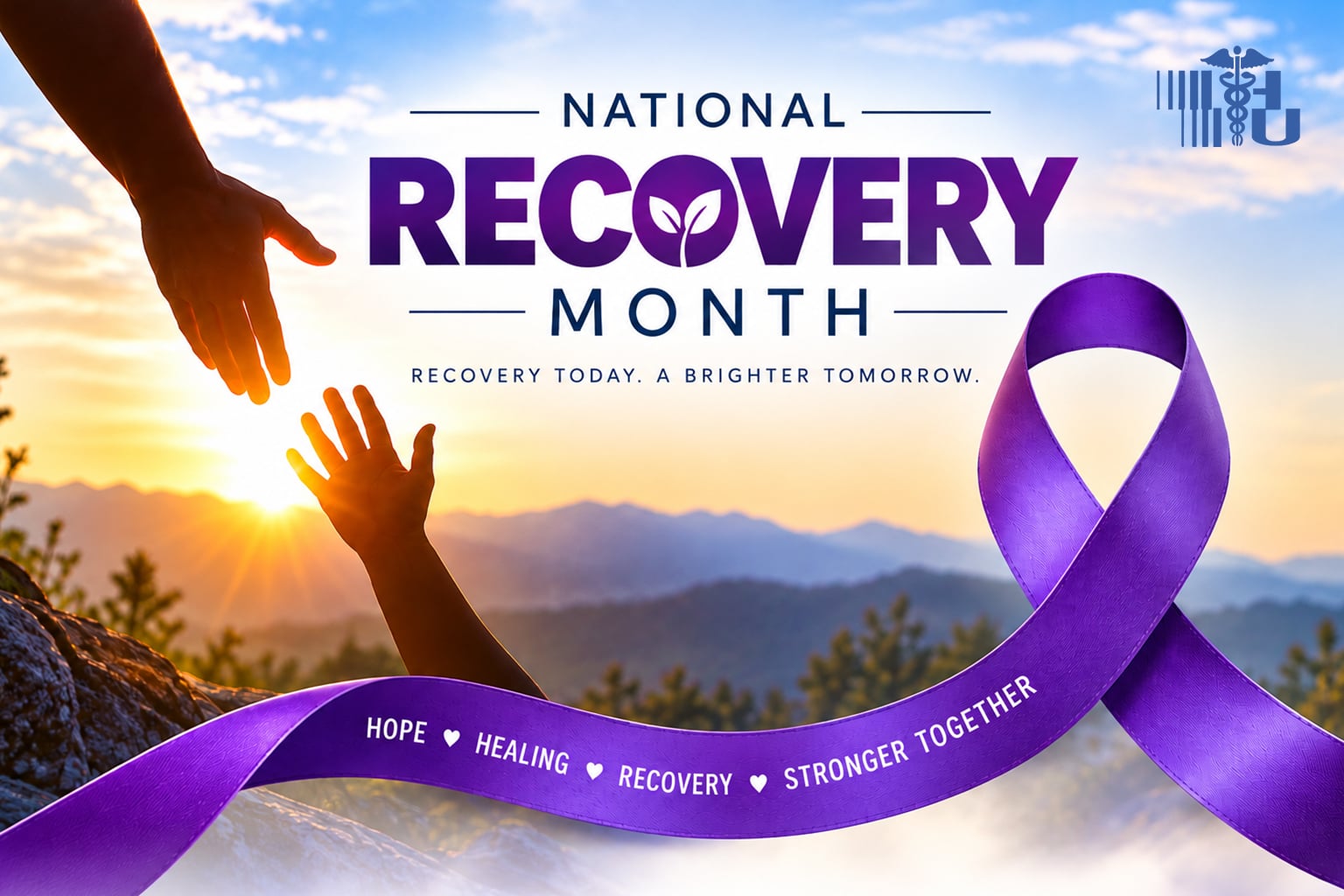
Every September, National Recovery Month reminds us that recovery from substance use and addiction is possible. For someone who has been struggling for months or even years, asking for help can feel overwhelming. But getting better does not have to start with a huge decision. It can begin with reading about treatment, talking with someone you trust, or making one phone call.
Addiction can affect families, relationships, workplaces, and communities. Some people struggle openly, while others keep their substance use hidden for a long time. National Recovery Month gives us a chance to talk about addiction without shame, recognize people working toward recovery, and remind those who are struggling that they do not have to face it alone.
What Is National Recovery Month?
National Recovery Month takes place every September and began in 1989. The observance raises awareness about substance use and mental health recovery, recognizes people in recovery, and highlights the value of treatment and recovery support.
For 2026, SAMHSA’s campaign, The Great American Recovery, focuses on the role of connection and community in recovery. It also highlights reducing stigma, supporting wellness, recognizing different paths to recovery, and supporting young people and families.
The message behind Recovery Month is simple: people can recover, and support can make a real difference.
Harmony United Psychiatric Care is a premier mental health clinic serving communities across Florida.
Find a provider near you
Understanding Substance Use Disorder
Substance use disorder (SUD) is a medical condition characterized by a problematic pattern of alcohol or drug use that can affect a person’s health, relationships, responsibilities, and daily life.
Substance use disorders can involve changes in brain systems associated with reward, stress, decision-making, and cravings.
That is why telling someone to simply “use more willpower” often misses the bigger picture. Addiction
can affect how the brain responds to rewards, stress, and cravings. Professional substance use disorder treatment can provide support while helping a person develop healthier ways to manage cravings, emotions, and everyday challenges.
Seeing addiction as a health condition also changes the conversation. Shame can make people hide their struggles. Understanding and support can make it easier to ask for addiction help.
Recognizing When It’s Time to Get Help
Sometimes a spouse, parent, sibling, or close friend notices the changes first. A calm conversation without blame can help someone feel safe enough to consider addiction treatment.
The signs of problematic substance use are not always easy to spot. Someone may still go to work, take care of their family, or keep up appearances while struggling privately.
Some signs can include:
- Using more alcohol or drugs than originally intended.
- Feeling strong cravings or finding it difficult to cut back.
- Needing more substance to get the same effect.
- Missing work, school, or other responsibilities because of substance use.
- Continuing to use despite problems with health or relationships.
- Becoming secretive or defensive when someone raises concerns.
What Does Recovery Really Mean?
Recovery from addiction means more than simply stopping substance use. It can involve rebuilding health, relationships, confidence, stability, and a sense of purpose.
SAMHSA describes recovery as a process that helps people strengthen their health and well-being while taking greater control of their lives and working toward reaching their full potential.
SAMHSA also identifies four areas that can support recovery:
- Health: Building habits that support your physical and emotional well-being.
- Home: A stable, safe place to live that supports recovery.
- Purpose: Finding meaning through work, education, family, volunteering, hobbies, or other activities.
- Community: Building relationships that provide friendship, support, and a sense of belonging.
These areas show why addiction recovery can look different from one person to another. For someone, the first goal may be getting professional treatment. For someone else, it may be repairing family relationships, returning to work, managing anxiety, or developing a healthier daily routine.
There is no single definition of what successful recovery has to look like.

Types of Addiction Treatment That Can Help
There is no single treatment plan for everyone. The right approach depends on the substance involved, the person’s health, the severity of the problem, past treatment, and individual needs.
Depending on those needs, substance use treatment may include:
- Medical detoxification: Medical care that can help manage withdrawal safely when needed.
- Residential or inpatient treatment: A structured setting with around-the-clock support for people who need a higher level of care.
- Outpatient treatment: Care that allows people to continue living at home while receiving professional support.
- Counseling and behavioral therapy: Substance abuse counseling and addiction counseling can help people recognize triggers, change unhealthy patterns, develop coping skills, and work through emotional concerns.
- Medication: Some substance use disorders can be treated with medications alongside other forms of care.
- Peer and recovery support: Support groups, family involvement, and community programs can provide encouragement outside of formal treatment.
For someone seeking drug addiction treatment, the right level of care can depend on the substance being used and the person’s physical and mental health. Alcohol addiction treatment may also involve specific medical considerations because alcohol withdrawal can sometimes be dangerous.
People looking for drug rehab may come across residential programs, outpatient programs, detox services, and other forms of drug rehabilitation. Each serves a different purpose, so speaking with a qualified professional can help determine what type of care makes sense.
Similarly, alcohol abuse treatment can range from outpatient counseling to more intensive programs, depending on the person’s needs.
SAMHSA notes that medications combined with counseling and behavioral therapies can be part of an effective approach to treating certain substance use disorders.
The key is not choosing the most intensive option automatically. It is finding care that matches the person’s needs and circumstances.
Why Mental Health Care Matters in Recovery
Substance use and mental health concerns can occur at the same time. Someone dealing with depression, anxiety, PTSD, bipolar disorder, or another mental health condition may also struggle with alcohol or drug use.
These concerns can affect each other in different ways. Substance use may make certain mental health symptoms worse, while untreated mental health symptoms can make recovery more difficult.
When both concerns are present, treating only one may leave part of the problem unaddressed. For some people, combining mental health care with substance abuse treatment can provide more personalized support.
Depending on the situation, support may include psychiatric evaluations, psychotherapy, counseling, behavioral therapy, and medication management.
The goal is to view the person as a whole rather than focusing solely on the substance and its treatment.
Looking for Drug Treatment Centers Near You?
Looking for “drug treatment centers near me” or “addiction treatment centers near me” can bring up a long list of options. When someone needs help, sorting through all those choices can feel like a lot.
Before choosing among drug treatment centers or addiction treatment centers, consider a few practical questions:
- Does the provider address mental health concerns along with substance use?
- What types of treatment are available?
- Is medication management available when appropriate?
- What level of care does the person need?
- What support is available after an initial treatment program?
- Are in-person and telehealth appointments available?
Location can matter, especially for people balancing treatment with work, school, children, or other responsibilities. At the same time, the right provider should offer care that fits the person’s needs.
If regular travel is difficult, telepsychiatry can make it easier to stay connected with a psychiatric provider and maintain ongoing mental health care.
Life in Recovery: What Comes After Treatment?
Finishing a treatment program is a major accomplishment, but recovery does not necessarily end there.
Some people continue with counseling, psychiatric care, peer support groups, recovery programs, or sober living arrangements. Others may need ongoing support as they return to work, rebuild relationships, manage stress, and settle into a new routine.
Alcohol recovery and recovery from drug use can involve good days and difficult ones. A setback does not erase the progress someone has already made. Reaching out for support after a difficult period can be part of staying on track.
Rebuilding trust can take time. So can learning how to manage stress without turning to alcohol or drugs. Small changes, such as attending appointments, maintaining healthy routines, reconnecting with family, or finding activities that provide a sense of purpose, can add up over time.
Finding the Right Recovery Resources
Recovery does not have to depend on one program or one person. Recovery resources can include healthcare professionals, therapists, peer support groups, community organizations, family support, educational programs, and other services.
The right resources can change as someone’s needs change. A person may need intensive treatment at one point and ongoing counseling or psychiatric care later.
Not sure what kind of help you need? A mental health provider can explain your options and help you take the next step.
Taking the First Step
Most people do not feel completely ready when they first consider treatment.
You may be worried about what your family will think. You may not know which treatment option makes sense. You may have tried before and feel unsure about starting again.
Those concerns are understandable.
You do not need to have everything figured out before talking with a professional. A qualified provider can listen to what is happening, answer your questions, and help you understand your options.
Sometimes recovery starts with one simple conversation.
Support for Mental Health During Recovery
If substance use is taking a toll on your mental health or daily life, Harmony United Psychiatric Care provides compassionate mental health care across Florida. Our services include psychiatric evaluations, psychotherapy and counseling, behavioral therapy, medication management, and telepsychiatry for people dealing with anxiety, depression, trauma, and other mental health concerns that may occur alongside substance use. Care is provided based on each person’s needs, with in-person and telehealth options available.
To schedule an appointment, call 800-457-4573 or submit an appointment request, and take that first steady step toward getting the support you need.
Frequently Asked Questions
National Recovery Month is observed every September to raise awareness about substance use and mental health recovery. It recognizes people in recovery, highlights the value of treatment and recovery support, and reminds people that recovery is possible.
Signs that someone may need help include using more alcohol or drugs than intended, experiencing strong cravings, needing more of a substance to get the same effect, missing work or responsibilities because of substance use, continuing to use despite health or relationship problems, and becoming secretive or defensive about their use.
Recovery involves more than stopping substance use. It can include improving physical and emotional health, rebuilding relationships, developing a sense of purpose, creating a stable home environment, and building supportive connections within the community. Recovery can look different for each person.
Treatment may include medical detoxification, residential or inpatient care, outpatient treatment, counseling and behavioral therapy, medication, and peer or recovery support. The appropriate approach depends on factors such as the substance involved, the person’s health, the severity of the problem, previous treatment, and individual needs.
Yes. Substance use and mental health concerns can occur at the same time, and each can affect the other. Depending on a person’s needs, care may include psychiatric evaluations, psychotherapy, counseling, behavioral therapy, and medication management alongside substance use treatment.
Consider whether the provider addresses both substance use and mental health concerns, what treatment options and levels of care are available, whether medication management is offered when appropriate, what ongoing support is available after treatment, and whether in-person or telehealth appointments are offered.
No. Completing a treatment program is an important achievement, but ongoing recovery may include counseling, psychiatric care, peer support groups, recovery programs, or sober living arrangements. Continued support can help people manage stress, rebuild relationships, return to work, and maintain healthier routines.
You do not need to have everything figured out before seeking help. A qualified mental health professional can listen to your concerns, answer your questions, and help you understand your treatment options. For some people, recovery begins with one simple conversation.
Reference Links
https://en.wikipedia.org/wiki/Substance_Abuse_and_Mental_Health_Services_Administration
https://www.naadac.org/national-recovery-month
https://www.thenationalcouncil.org/national-recovery-month
https://www.cdc.gov/overdose-prevention/php/toolkits/national-recovery-month.html
Leave a Reply