


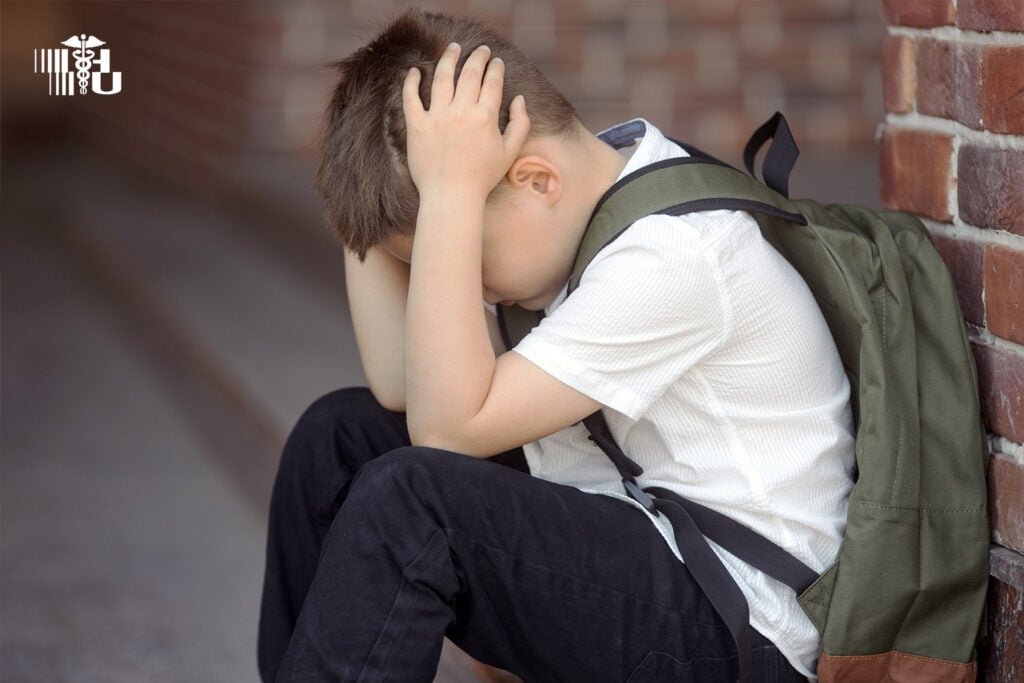
The start of a new school year is a beautiful, chaotic whirlwind. There’s the smell of fresh notebooks, the hunt for the perfect shoes, and a whole lot of anticipation. But alongside that excitement, it’s incredibly common for kids to carry a heavy dose of anxiety. New faces, tougher expectations, and the sudden loss of lazy summer days can feel overwhelming to a little soul.
As parents and caregivers, we can’t protect them from every flutter of nervousness, but we can be their safe harbor. With a little patience, some practical strategies, and a lot of grace, we can help them step across that threshold feeling brave and capable.
Harmony United Psychiatric Care is a premier mental health clinic serving communities across Florida.
Find a provider near you
1. Decoding the Secret Language of Anxiety
Kids rarely walk up to us and say, “I am feeling deeply anxious about the social hierarchy of the third grade.” Instead, anxiety speaks in code.
- The Physical: Mystery tummy aches, headaches, sudden pickiness at mealtimes, or tossing and turning at bedtime.
- The Behavioral: Extra clinginess at the grocery store, unexpected meltdowns over small things, or snapping at siblings.
If you notice these shifts, try not to view them as misbehavior. It’s just their nervous system crying out for a little extra reassurance.
2. Ditch the Don’t Worry (And Just Listen)
When our kids are scared, our gut reaction is to fix it. We say things like, You’ll be fine! Or there’s nothing to worry about! While well-intentioned, this can accidentally make them feel lonely in their fear.
Instead, try creating tiny, low-pressure pockets of time, like a two-minute chat while making breakfast or a quiet moment right before lights out. Use validating phrases that offer a soft landing:
“It makes total sense that you’re nervous. Starting a new grade is a big deal, and it’s okay to have butterflies.”
When kids feel heard, the size of their worry automatically shrinks.
3. Do a Dry Run of the New Reality
The human brain craves predictability, and anxious brains crave it even more. Don’t let the first day of school be the first time they experience the morning rush.
A week before the big day, start practicing the rhythm. Wake up a bit earlier, pack a mock lunch, and walk or drive the route to school together. Point out the playground, the front doors, and where you’ll be waiting for them at the end of the day. Turning the “unknown” into the “familiar” is a massive anxiety-buster.
4. Pack a Mental Toolbox
Give your child a few secret weapons they can use right at their desk when their heart starts racing.
- The 4-5 Breath: Inhale for a count of four and exhale for a count of five. (The long exhale instantly signals the brain to calm down).
- The 5-4-3-2-1 Method: Have them silently name 5 things they can see, 4 they can touch, 3 they can hear, 2 they can smell, and 1 they can taste. It grounds them back in reality.
- Role-Play: Practice simple scenarios at home. Act out how to ask a classmate, Can I sit here? Or how to tell a teacher, My tummy hurts. Having the script ready breeds confidence.
5. Build Your Village (The School Team)
Remember, you are not doing this alone. Teachers and school counselors want your child to succeed just as much as you do. Reach out early. Send a quick, warm email letting the teacher know that your child is feeling a bit fragile this year.
If your child has a specific comforting habit like a discreet signal when they need a break or a small lucky charm in their pocket, let the teacher in on the secret. A cohesive front between home and school creates a massive safety net.
6. Keep Mornings Low-Voltage
A frantic morning sets a frantic tone for the rest of the day. If you are screaming about lost shoes at 7:30 AM, an anxious child’s stress levels will skyrocket before they even step out the door.
Control what you can the night before. Lay out the clothes, pack the bags, and prep the lunches. Keep the TV off in the morning to create a calmer environment. Your emotional stamina fuels theirs.
7. Let Them See Your Calm
Our kids are like little satellite dishes, constantly picking up our emotional signals. If we are stressed, hyperventilating about traffic, or projecting our own fears about them making friends, they will mirror that energy.
It is okay to let them see you handle stress, but narrate it constructively:
“Whew, I’m feeling a little overwhelmed by my to-do list today. I’m going to take a deep breath and take it one step at a time.”
Show them that worry is a normal human emotion, not a catastrophe.
8. Celebrate the Bravery, Not Just the Success
We often praise the result (like a good grade or a gold star), but anxious kids need us to praise their effort.
If your child had a terrible morning, cried in the car, but still managed to walk through the school doors, celebrate that. That is raw bravery. Acknowledge it with a special after-school snack, an extra bedtime story, or just a big hug and a “I saw how hard that was for you today, and I am so proud of how brave you were.”
When to Seek a Helping Hand
Adjustment periods are normal, and a few weeks of tears or anxiety are to be expected. However, if the weeks crawl by and your child is consistently refusing to go to school, having full-blown panic attacks, withdrawing completely from friends, or showing severe physical regressions, it’s time to call in the pros. Reach out to your pediatrician or a child therapist. Asking for help isn’t a failure; it’s the highest form of advocacy for your kid.
One Step at a Time
At the end of the day, resilience isn’t something kids are just born with; it’s built brick by brick, through transitions exactly like this one. Be gentle with them, and be gentle with yourself. You’ve got this, and so do they.
If you could discover the school anxiety signs in your kid, Harmony United Psychiatric Care can help your kid with compassionate and personalized care to overcome the anxiety. Call us at (800) 457-4573 to book your appointment now.
Frequently Asked Questions
Absolutely. Many children feel nervous before a new school year begins. New teachers, unfamiliar classmates, changing routines, or higher academic expectations can all bring up anxious feelings. In most cases, these worries ease as children settle into their new routine with patience, encouragement, and support.
It’s normal for children to feel nervous for a few days. However, if anxiety continues for several weeks, causes frequent stomachaches or headaches, leads to school refusal, affects sleep or eating, or keeps your child from enjoying everyday activities, it may be time to talk with a mental health professional.
Start by listening without rushing to fix the problem. Simple responses like, “I can see why that feels scary,” or “It’s okay to feel nervous about something new,” can help your child feel understood. Once they feel heard, you can work together on small steps to help them feel more confident.
Yes. Predictable, calm mornings help children feel more secure and prepared for the day ahead. Packing backpacks the night before, getting enough sleep, and allowing extra time in the morning can reduce stress for both you and your child.
If you know your child is struggling with anxiety, it’s a good idea to connect with their teacher or school counselor early. Sharing your concerns allows the school to offer extra encouragement, monitor how your child is adjusting, and work with you to provide consistent support.
If your child’s anxiety is becoming overwhelming, doesn’t improve with time, or starts interfering with school, friendships, or family life, professional support can help. A mental health provider can identify what’s contributing to the anxiety and recommend personalized treatment options that help your child feel more confident and resilient both in and out of the classroom.
Reference Links:
https://www.hopkinsmedicine.org/health/wellness-and-prevention/5-tips-to-ease-backtoschool-anxiety
https://www.crisistextline.org/back-to-school-parent-educator-toolkit
https://www.uclahealth.org/news/article/helping-children-cope-with-back-school-anxiety
https://opa.hhs.gov/adolescent-health/mental-health-adolescents/mental-health-resources
https://www.brownhealth.org/be-well/five-tips-manage-back-school-anxiety-parents
Leave a Reply