

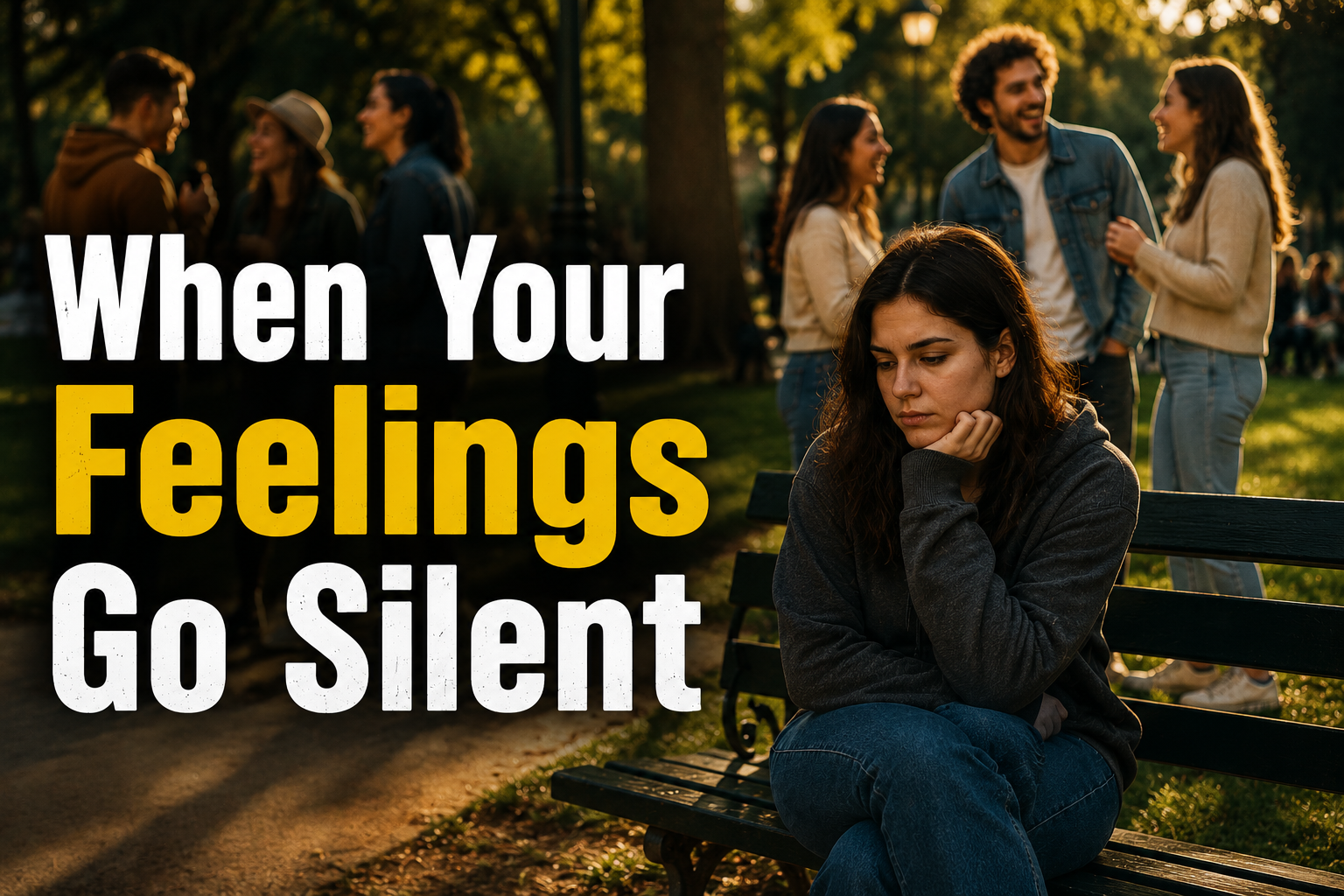
Have you ever felt like your emotions were turned down or completely switched off? Maybe you know you should feel happy, sad, excited, or even frustrated, but instead you feel emotionally flat or disconnected. This experience, known as emotional blunting, can affect relationships, work, and overall quality of life. While it can be unsettling, it is often linked to treatable mental health conditions or medication side effects, and help is available.
Symptoms of Emotional Blunting
Emotional blunting can look different from person to person, but common signs may include:
- Difficulty feeling or expressing love, anger, fear, sadness, or joy.
- Feeling emotionally detached from family, friends, or romantic partners.
- Trouble crying, laughing, or reacting naturally to emotional situations.
- Reduced facial expressions or a flat tone of voice.
- Loss of motivation or interest in daily life activities you once enjoyed.
- A sense of emptiness, numbness, or inner disconnection.
- Difficulty feeling empathy or connecting with others emotionally.
- Reduced emotional response to major life events.
- In severe cases, feeling unable to experience emotions at all.
Harmony United Psychiatric Care is a premier mental health clinic serving communities across Florida.
Find a provider near you
Common Causes of Emotional Blunting
Emotional blunting is often connected to an underlying issue rather than happening in isolation. Several factors may contribute to it.
1. Depression:
Depression is one of the most common causes of emotional detachment. While depression is often associated with sadness, many people experience it as emptiness, fatigue, and a loss of emotional responsiveness.
2. Post-Traumatic Stress Disorder (PTSD)
PTSD can cause emotional numbness as a protective response to trauma, leading to numbness, detachment, avoidance, and emotional shutdown, often alongside flashbacks, hypervigilance, and difficulty trusting others.
3. Antidepressant or Other Psychiatric Medications
People can experience emotional flat caused by antidepressants and psychiatric medications. If it’s related to medication, adjusting the dose with your prescribing provider or switching prescriptions may provide relief quickly.
4. Alcohol and Substance Use
Alcohol and recreational drugs can disrupt the brain’s emotional processing, leading to numbness, dissociation, low motivation, and emotional disconnection. Over time, substance use may also worsen existing mental health symptoms and emotional blunting.
5. Other Mental Health or Neurological Conditions
Emotional blunting can also occur with conditions such as schizophrenia, schizoid personality disorder, and dementia, where reduced emotional expression or detachment may be part of the broader condition and requires professional evaluation.
Is Emotional Blunting Temporary?
Emotional blunting isn’t always permanent. For many people, it improves once the underlying cause is treated. Whether it’s related to depression, PTSD, chronic stress, medication, or substance use, addressing the underlying issue often helps emotional responsiveness gradually return.
How Emotional Blunting Affects Daily Life
Emotional numbness can affect nearly every part of daily life. Relationships may feel more distant because it’s harder to express affection or empathy. Work can become more challenging as motivation and concentration decline. Activities that once brought happiness may feel uninteresting, leading many people to withdraw socially or feel disconnected from the world around them.

Treatment for Emotional Blunting
Treatment depends on the underlying cause, such as depression, trauma, medication, or substance use. Common approaches include:
- Cognitive Behavioral Therapy (CBT): Helps identify negative thought patterns and build healthier coping skills.
- Psychodynamic therapy: Explores past experiences and emotional conflicts contributing to detachment.
- Somatic therapy: Focuses on body awareness to restore emotional connection and safety.
- Emotional Freedom Technique (EFT): Uses acupressure and guided statements to process distress and reduce emotional overwhelm.
- Psychotherapy: It can help you explore the emotional, psychological, or trauma-related factors contributing to emotional numbness
- Medication Management: When emotional blunting is related to an underlying mental health condition or a side effect of medication, a psychiatric provider can evaluate treatment options and adjust medications when appropriate.
Self-Care Tips to Support Emotional Recovery
- Take regular pauses: Schedule time for relaxing pursuits like journaling, walking, or listening to music.
- Reduce stress whenever you can: Healthy stress management is important since prolonged stress can impair emotional reactivity.
- Create relationships that are supportive: Respectful, safe interactions can lessen feelings of loneliness and foster emotional stability.
- Engage in mindfulness exercises: Meditation, deep breathing, and grounding techniques help enhance emotional presence and awareness.
- Monitor changes following drug adjustments: Discuss any new or worsening symptoms with your doctor if you start taking a medication.
When to Seek Professional Help
When emotional blunting is interfering with your relationships, work, motivation, or everyday functioning, seeking professional support may be helpful. Emotional numbness that persists, develops after trauma, or occurs alongside depression, anxiety, PTSD, or substance use should be evaluated by a mental health professional, who can identify the cause and recommend appropriate treatment.
If emotional blunting, emotional numbness, or detachment is affecting your daily life, professionals at Harmony United Psychiatric Care offer psychiatric evaluations, medication management, therapy, and telepsychiatry services across Florida. Call (800) 457-4573 or request an appointment online to better understand your symptoms and find the right treatment path.
Final Thoughts
Emotional blunting can make life feel distant, muted, and difficult to fully engage with, but it is not something you have to navigate alone. Whether it is connected to depression, trauma, medication side effects, substance use, or another mental health condition, emotional numbness is often a sign that deeper support is needed. The good news is that with the right treatment, self-awareness, and professional care, it is possible to reconnect with your emotions and improve your quality of life. Seeking help early can lead to more effective treatment, healthier relationships, and a renewed ability to experience life’s meaningful moments.
Frequently Asked Questions
Emotional blunting often feels like being emotionally “flat” or numb. You may still understand what’s happening around you, but it can be hard to actually feel joy, sadness, excitement, anger, or affection the way you normally would.
Not exactly. Emotional blunting can happen as part of depression, but it is not the same thing. Depression may involve sadness, hopelessness, fatigue, or loss of interest, while emotional blunting is more about feeling disconnected from emotions altogether.
Yes, some people notice emotional blunting after starting certain antidepressants or psychiatric medications. While these medications can help reduce severe symptoms, they may also make emotions feel less intense for some individuals. If this happens, talk to your prescribing provider before making any changes.
In many cases, yes. Emotional blunting can improve once the underlying cause is addressed. Therapy, medication adjustments, stress management, and support for trauma or substance use can all help a person reconnect with their emotions over time.
If emotional blunting is affecting your relationships, work, motivation, or ability to enjoy daily life, it’s worth talking to a mental health professional. It’s especially important to seek support if the numbness lasts for weeks or starts after trauma, medication changes, or worsening mental health symptoms.
Treatment depends on the cause. Common options include therapy, medication review, stress management, and support for trauma or substance use. A mental health professional can help identify what’s contributing to emotional blunting and recommend the most appropriate treatment plan suitable for you.
Reference Links
https://en.wikipedia.org/wiki/Reduced_affect_display
https://www.healthline.com/health/mental-health/emotional-blunting#outlook
https://pmc.ncbi.nlm.nih.gov/articles/PMC8712545
https://clearwavementalhealth.com/what-is-emotional-blunting/
https://www.medicalnewstoday.com/articles/emotional-blunting#definition
Leave a Reply