

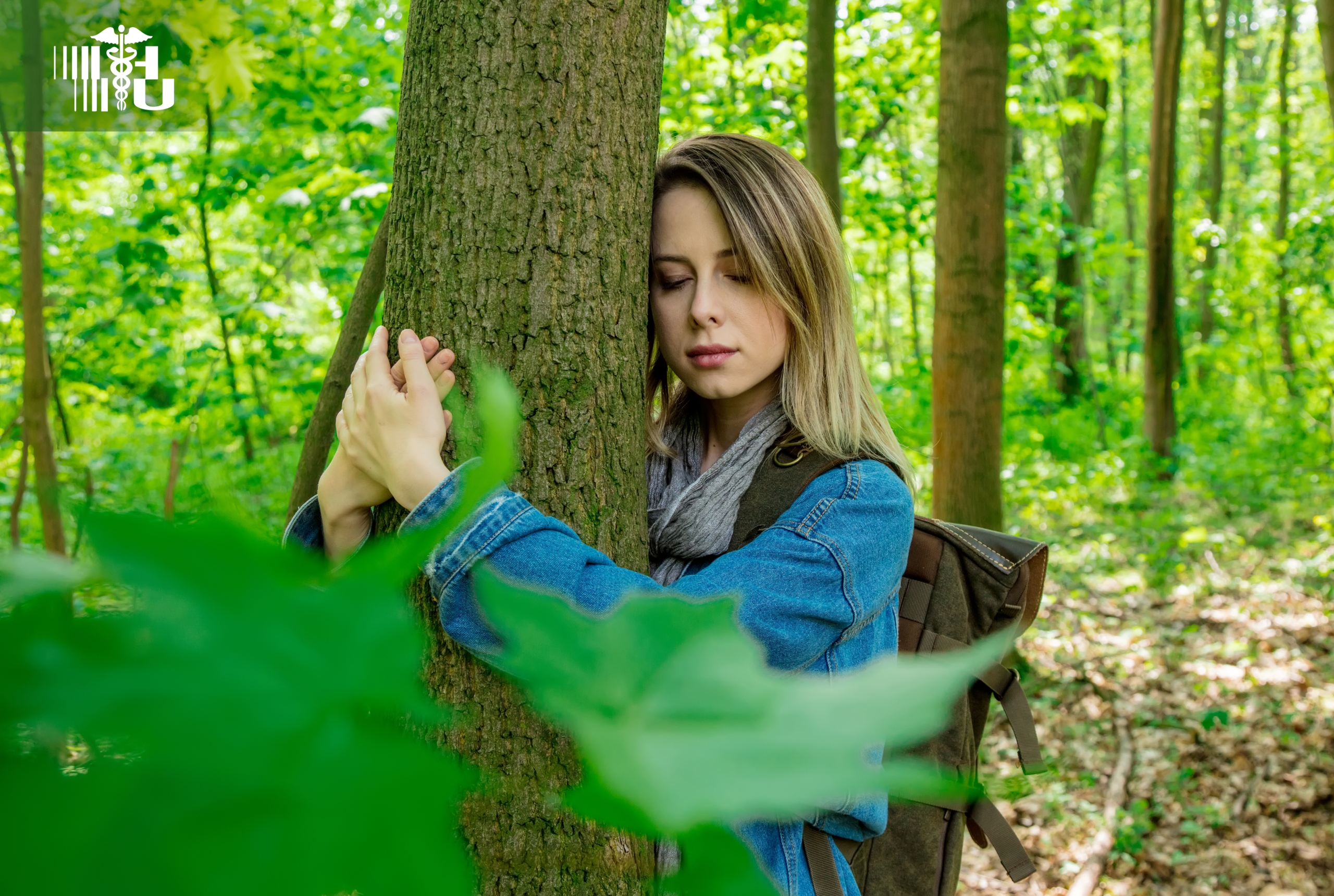
We’ve all been there: constant notifications, a growing to-do list, and that tight, buzzing feeling in your chest that won’t go away. Your nervous system isn’t just tired, it’s overwhelmed.
While modern life moves fast, our bodies were designed for a slower, more natural rhythm.
The good news? One of the most effective ways to reset doesn’t require a prescription or an app. It’s right outside your door.
Nature therapy, also known as ecotherapy, is a simple, evidence-based way to calm your nervous system and restore balance.
How Nature Calms the Nervous System
Think of your nervous system like a see-saw. On one side, you have the sympathetic system, the “fight or flight” mode that fuels our hustle. On the other hand, you have the parasympathetic system, the “rest and digest” mode. Modern life keeps us stuck on the “hustle” side, flooding us with cortisol and keeping our hearts racing.
Time in nature helps shift the body back into a calmer, regulated state. Here’s how:
- The 20-Minute Rule: Research on Japanese Shinrin-yoku (forest bathing) shows that just 20 minutes in the trees can lower cortisol levels by 13% and significantly lower blood pressure.
- A Sense of Safety: Natural sounds, like wind through trees or flowing water, help calm the amygdala, the brain’s threat detection center. This signals safety and activates the body’s relaxation response.
- Heart Harmony: Unlike a walk down a busy city street, nature trails help improve your Heart Rate Variability (HRV), which is essentially a benchmark for how resilient your nervous system is to Stress.
Harmony United Psychiatric Care is a premier mental health clinic serving communities across Florida.
Find a provider near you
The Mental and Physical Benefits of Nature Therapy
Spending consistent time outdoors can lead to meaningful improvements in both mental and physical health:
- Reduced Anxiety: Anxiety levels can drop by 20-30% as muscle tension dissolves and the mental chatter finally goes quiet.
- Mood Support: Sunlight helps regulate serotonin, while trees release phytoncides, natural oils that actually strengthen your immune system.
- Better Sleep: Exposure to natural light helps regulate your circadian rhythm, improving sleep quality.
Simple Ways to Incorporate Nature Into Your Routine
You don’t need to hike a mountain to see results. Try these small, intentional practices:
- Mindful Walks: Leave the phone in the car. Walk slowly through a park, noticing the textures of bark or the way the light hits the leaves.
- Get Grounded: Literally. Take your shoes off. Walking barefoot on grass or sand (Earthing) can help stabilize your body’s bioelectricity and reduce inflammation.
- Water Exposure (“The Blue Space Effect”): If you’re near water, a lake, a stream, or the ocean, sit and watch the movement. The rhythmic sound of waves is like a massage for your nervous system.
- The 120-Minute Rule: Aim for 120 minutes of outdoor activity each week. Whether it’s one long Saturday hike or four 30-minute lunches in a garden, your body will thank you.
Making It Your Own
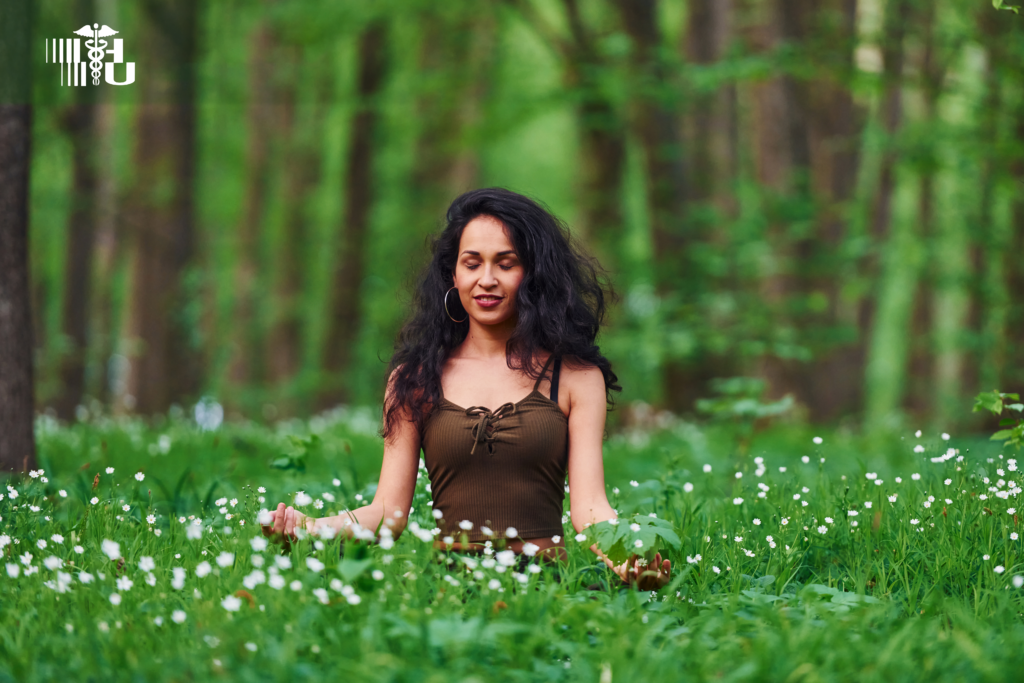
Even in urban environments, nature is still accessible.
A balcony garden, a nearby park, or even indoor plants can provide similar benefits. On days when getting outside isn’t possible, listening to nature sounds can still help reduce stress.
The goal isn’t perfection, it’s connection. Nature therapy reminds us that healing isn’t always about doing more; sometimes, it’s about being still. Step outside, take a breath, and let the earth do the heavy lifting for a while.
Your balanced self is waiting just past the doorstep.Harmony United Psychiatric Care offers compassionate mental health care across Florida, including virtual and in-person support to help you manage stress and improve emotional well-being.
Call (800) 457-4573 or Request an Appointment today to get started.
Frequently Asked Questions
Ecotherapy, also known as nature therapy, harnesses outdoor time to quiet an overactive nervous system. It gently transitions you from the stress-fueled “fight or flight” sympathetic state to the restorative “rest and digest” parasympathetic mode—reducing cortisol levels, calming the amygdala, and enhancing heart rate variability (HRV).
Research on Japan’s Shinrin-yoku (forest bathing) reveals a simple 20-minute rule: spending just 20 minutes surrounded by trees slashes cortisol by 13%, drops blood pressure, and triggers your body’s natural relaxation response all without breaking a sweat.
Spending time outdoors resets your circadian rhythm through natural sunlight exposure, paving the way for deeper, more restorative sleep. Combine it with the “blue space effect” by water bodies, where soothing rhythmic sounds amplify nervous system’s calm.
Regular nature therapy reliably cuts anxiety by 20-30%, melting away muscle tension, silencing racing thoughts, and boosting serotonin balance via natural sunlight.
Trail walks in nature (not crowded streets) elevate heart rate variability (HRV), a vital marker of your nervous system’s stress resilience. The surrounding natural sounds and views cue safety to your brain, syncing your heart rhythm for faster stress recovery.
Reference Links :
https://pubmed.ncbi.nlm.nih.gov/31001682/
https://www.sciencedirect.com/science/article/abs/pii/S0013935123011076
https://performanceintelligence.com/blog-spending-time-in-nature/
https://pubmed.ncbi.nlm.nih.gov/31197192/
Leave a Reply