


The psychology of procrastination reveals why so many of us delay important tasks and it has nothing to do with laziness. It’s often a learned response shaped by how we manage uncomfortable emotions, how our brains seek relief, and how we relate to our future selves.
Understanding the psychology of procrastination starts with recognizing it as an emotional issue, not a time-management one.
What Procrastination Actually Is
The psychology of procrastination shows us that avoidance is driven by predictable patterns.
Procrastination isn’t just running out of time or being “bad at organizing your day.” It’s the deliberate postponement of something you intended to do, even while knowing that putting it off will probably make you feel worse later. Rather than a time-management problem, procrastination is often an Emotional Regulation Strategy.
In those moments when you delay, you’re usually choosing short-term relief over long-term progress. You might scroll on your phone, clean your desk, grab a snack, or convince yourself you “need to do more research” first. These activities give you temporary comfort or a sense of control, but they also reinforce the habit of avoiding tasks that feel boring, overwhelming, or intimidating. Over time, that avoidance feeds a cycle of Stress, guilt, and self-doubt that makes starting even harder next time.
Harmony United Psychiatric Care is a premier mental health clinic serving communities across Florida.
Find a provider near you
The Psychology of Procrastination: Why We Avoid and Delay
Procrastination isn’t random; it’s driven by predictable psychological processes that tend to show up in similar ways. These patterns are common, and understanding them can help you respond differently.
1. Chasing Short-Term Relief
Our brains are wired to seek quick rewards and avoid discomfort. When a task triggers anxiety, boredom, frustration, or self-doubt, your mind instinctively looks for something that will make you feel better right now. Social media, online shopping, gaming, or chatting with friends offer instant gratification, while the important task feels heavy and emotionally expensive. This “mood repair” strategy works in the moment, but it costs you later.
2. Overwhelm and Task Aversion
We’re more likely to delay work that feels vague, complicated, or unpleasant. If a project seems huge or you’re unsure where to start, your brain flags it as a threat, and avoidance becomes a quick way to reduce stress. Tasks that feel tedious, confusing, or high-stakes (like exams, big reports, or difficult conversations) often get pushed aside because they’re emotionally loaded, not because you’re incapable.
3. Fear of Failure and Perfectionism
For many people, procrastination is tied to perfectionism. When your inner standard is “This has to be flawless,” starting becomes risky. If you’re afraid of being judged, rejected, or disappointed in yourself, not beginning can feel safer than producing something that might fall short. The result is a painful paradox: you care deeply about doing well, but that very concern keeps you frozen.
4. Low Self-Belief and Harsh Self-Talk
If you already doubt your abilities, even simple tasks can feel like tests of your worth. A work email, a college assignment, or a phone call can become a high-pressure situation in your mind. Anxiety and rumination kick in, and avoidance quickly follows. Every time you postpone, it reinforces the story that you’re “terrible at following through,” even though what’s really happening is a struggle with self-belief and emotional safety.
5. Weak Connection to Your Future Self
We often assume that “tomorrow’s version” of us will be more motivated and disciplined than we feel today. That future self becomes a convenient dumping ground for hard or uncomfortable tasks. Because we experience our future self as distant, their stress doesn’t feel real yet. So we delay, even though we know that tomorrow’s pressure, guilt, and panic are building.
6. Brain Chemistry and Quick Rewards
Pleasurable distractions hit the brain’s reward system and release feel-good chemicals like dopamine. When you repeatedly choose easy, enjoyable activities over effortful ones, your brain learns that avoidance and instant gratification are the default. It becomes a habit loop: uncomfortable feeling → distraction → temporary relief → stronger procrastination pattern.
The Real Cost of Chronic Procrastination
The psychology of procrastination reveals costs that go far beyond missed deadlines.
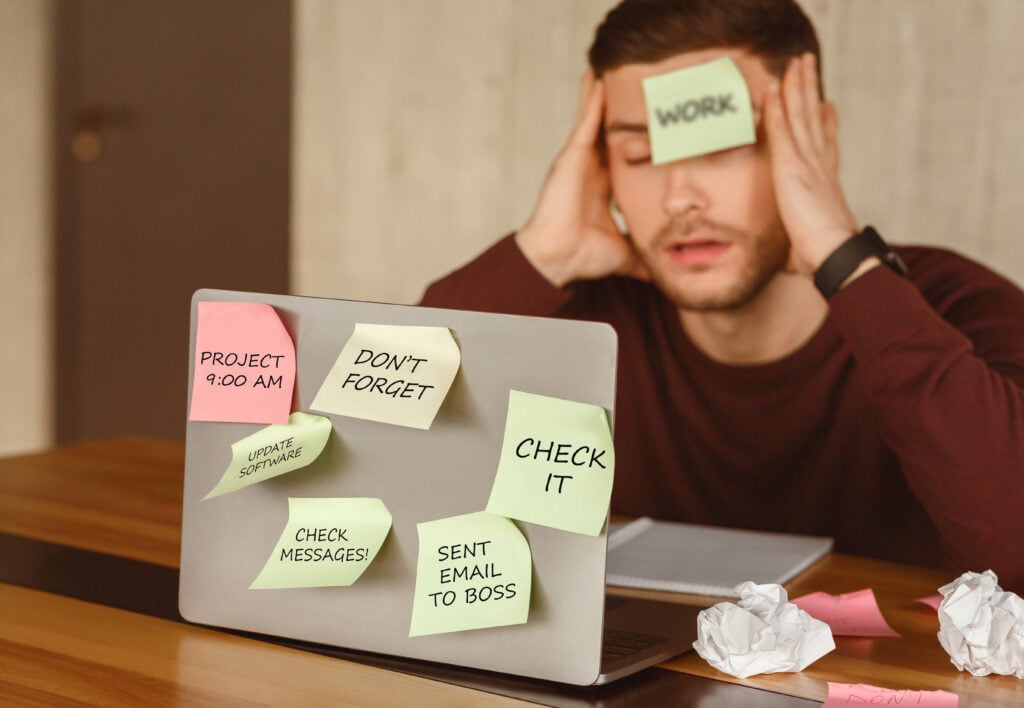
Procrastination can feel harmless in small doses, but when it becomes a pattern, it impacts nearly every area of life. Over time, this ongoing stress can impact both mental and physical health.
Rising Stress and Anxiety
The more you delay, the more unfinished tasks stack up in the back of your mind. You might not be actively thinking about them all the time, but they create a constant hum of stress. That background pressure can disrupt your sleep, fuel irritability, and leave you feeling “behind” even on busy days.
Eroding Confidence and Motivation
Every task you put off becomes another piece of evidence in the story that you’re unreliable, lazy, or “not disciplined enough.” This story isn’t accurate, but it can feel very convincing. As your self-trust declines, starting new tasks becomes even more intimidating, and motivation drops because you no longer believe your efforts will stick.
Mental Health Consequences
Research shows a strong link between chronic procrastination and Anxiety, Depression, and ongoing stress. When everything feels like a mountain, even enjoyable activities can lose their spark because you’re weighed down by what you “should” be doing. Over time, procrastination can become both a symptom and a contributor to Poor Mental Health.
How to Change: Practical, Psychology-Informed Strategies
Addressing the psychology of procrastination means working with your brain, not against it.
The encouraging truth is that procrastination is a habit, not a fixed trait. And habits can change with the right strategies.
1. Make Tasks Smaller and Clearer
Start smaller than you think you need to. Vague intentions like “work on my assignment” invite avoidance. Instead, break the task into tiny, concrete actions such as “open the document,” “write the title,” or “outline three main points.” The goal is to make each step so small that starting feels manageable rather than overwhelming. Momentum often shows up after you begin, not before.
2. Aim to Start, Not Finish
Shift your focus from “I have to finish everything” to “I just need to begin.” Commit to working for five or ten minutes. Once you’ve crossed that initial barrier, it’s usually easier to keep going. This approach also softens the perfectionistic “all or nothing” mindset that says, “If I can’t do it perfectly or completely, there’s no point.”
3. Try Time-Structured Work Blocks
Techniques like the Pomodoro method (for example, 25 minutes of focused work followed by a 5-minute break) give your brain a predictable rhythm of effort and rest. This helps you build focus without feeling overwhelmed. A simple timer can transform a vague, draining task into a clear, time-limited challenge. This structure helps you tolerate discomfort in manageable doses instead of feeling trapped in endless work.
4. Shape Your Environment for Focus
Your surroundings either support your intentions or work against them. Turn off non-essential notifications, keep tempting apps off your main screen, and clear your workspace of obvious distractions. Keep only what you need for the task in front of you. When the environment makes distraction harder and starting easier, you rely less on willpower.
5. Practice Self-Compassion Instead of Criticism
Many people think that harsh self-talk will “whip them into shape,” but it usually has the opposite effect. Shame fuels avoidance. Treat yourself with the same understanding you would offer a close friend: acknowledge that you’re struggling, recognize the emotional load behind the delay, and encourage yourself to take one small step forward. Self-compassion supports resilience and makes it safer to try again after setbacks.
6. Bring Your Future Self into Focus
Take a brief pause and imagine how you’ll feel a few hours from now or next week if you start today. Picture the relief, pride, and extra breathing room you’ll create. Then contrast that with how you’ll feel if you continue putting it off. Making your future self feel vivid and real helps your brain value long-term benefits almost as much as immediate comfort.
When to Seek Support
It may be helpful to seek support if:
- You feel stuck in cycles of avoidance and stress
- Procrastination is affecting your work, relationships, or daily life
- You’re experiencing anxiety, burnout, or low motivation
From Self-Blame to Self-Understanding
Once you understand the psychology of procrastination, you stop blaming yourself and start building real change.
The turning point comes when you stop seeing procrastination as a personal failure and start viewing it as a signal: “I’m trying to avoid discomfort.” That discomfort might be fear of failure, fear of judgment, confusion, boredom, or a lack of clarity. When you name what you’re feeling, you regain a sense of choice.
By breaking tasks into smaller steps, lowering the pressure to be perfect, adjusting your environment, and treating yourself with curiosity instead of criticism, you begin to rewrite the habit loop. Each small, imperfect action is a vote for a new identity, one where you can trust yourself to show up, even when it’s hard. Over time, procrastination loses its grip, and you build a more sustainable relationship with productivity, self-worth, and your future self.
If procrastination is affecting your daily life, support is available.
At Harmony United Psychiatric Care, we help you understand the underlying patterns behind procrastination and build practical strategies to move forward with confidence. Call (800) 457-4573 or Request an Appointment today to get started.
Reference Website:
https://www.nature.com/articles/s41598-025-87664-7
https://pmc.ncbi.nlm.nih.gov/articles/PMC10049005/
https://umsu.unimelb.edu.au/news/article/7797/The-Psychology-Behind-Procrastination/
https://insightspsychology.org/the-neuroscience-of-procrastination/
https://www.psychologicalscience.org/observer/why-wait-the-science-behind-procrastination
Leave a Reply