

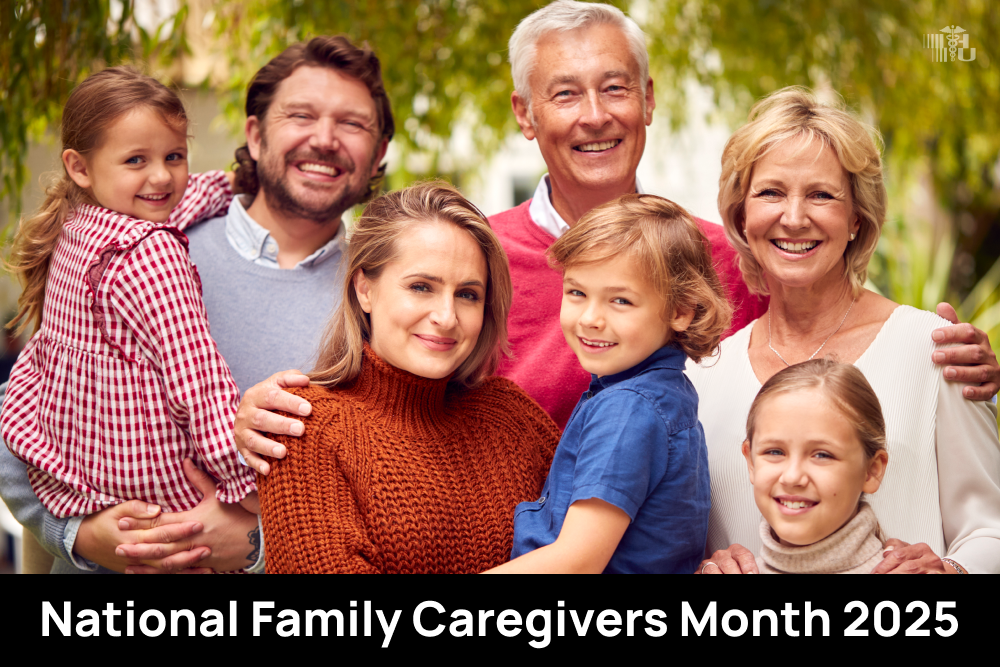
November marks National Family Caregivers Month 2025, a time to recognize the millions of Americans who provide emotional, physical, and logistical support to loved ones facing illness, disability, or aging. While their compassion sustains families and communities, caregiving often takes a significant toll on mental health. This month invites us not only to honor caregivers’ strength but to recognize caregiving as a critical factor in emotional well-being.
The Psychological Toll of Caregiving
Family caregivers are often described as the invisible backbone of healthcare, bridging gaps between clinical treatment and daily living. However, this essential role frequently exposes them to chronic stress, emotional fatigue, and feelings of helplessness. Prolonged caregiving responsibilities, especially without adequate social or institutional support, are strongly associated with higher rates of Anxiety, Depression, and sleep disorders. Studies show that caregivers of individuals with cognitive decline, terminal conditions, or significant physical impairment report notably higher levels of psychological distress than non-caregivers.
Beyond emotional exhaustion, caregivers face a form of cumulative exposure to secondary trauma through witnessing a loved one’s pain, decline, or dependency. Over time, this sustained stress activation can alter emotional regulation, reduce resilience, and deplete coping reserves. When unaddressed, the psychological impact can compromise not only the caregiver’s own health but also the quality of care they provide.
Resilience and Emotional Regulation in Caregivers
Caregiver mental health is not solely defined by hardship; it also encompasses remarkable resilience. Many caregivers develop adaptive coping strategies rooted in emotional regulation, mindfulness, and community engagement. Mindfulness-based stress reduction (MBSR), in particular, has demonstrated measurable benefits in improving mood and reducing caregiver stress by enhancing present-moment awareness and emotional steadiness. Structured interventions promoting mindfulness and acceptance can reduce physiological stress responses and strengthen executive functioning, helping caregivers sustain long-term well-being.
Here are several evidence-based practices caregivers can begin integrating into their daily lives:
- Setting emotional boundaries and realistic caregiving expectations
- Integrating short mindfulness or grounding exercises throughout the day
- Engaging in peer-support groups emphasizing shared empathy and validation
- Accessing teletherapy or counseling services designed for caregiver populations
- Prioritizing restorative sleep, nutrition, and moderate physical activity
These practices foster emotional recalibration and buffer the cumulative impact of caregiving stressors.
Harmony United Psychiatric Care is a premier mental health clinic serving communities across Florida.
Find a provider near you
The Systemic Gap: Why Caregiver Mental Health Needs Policy Attention
Despite their essential role, caregivers remain strikingly underserved in public health programs. Many operate outside formal healthcare systems, receiving little to no structured mental health assistance. The lack of systemic attention to caregiver mental health represents not only a personal hardship but a public health urgency with ripple effects across families and healthcare systems.
National Family Caregivers Month 2025 provides an essential opportunity to advocate for policy reforms that integrate caregiver mental health into primary healthcare, workplace wellness programs, and community education systems. Practical initiatives include expanded access to respite care, insurance-covered Mental Health Sessions, and culturally responsive outreach for diverse caregiving populations. These policy directions align with emerging evidence from the American Psychological Association, which underscores that proactive support and mental health literacy among caregivers can significantly reduce burnout, promote resilience, and improve family functioning (American Psychological Association, 2023).
Beyond Recognition: Building a Culture of Emotional Support
Appreciating caregivers requires moving beyond symbolic gratitude toward systematic care. Employers, Mental healthcare Providers, and community leaders can take concrete steps to normalize discussions on caregiver mental health. Hosting mental wellness workshops, offering flexible work schedules, and integrating stress management resources are not just supportive measures; they are public health imperatives.
National Family Caregivers Month represents both recognition and responsibility. It reminds society that caregivers’ mental health is an essential part of collective well-being. Supporting their psychological health ensures they can continue their vital role with clarity, strength, and sustainable compassion.
If you or someone you know is navigating the emotional challenges of caregiving, Harmony United Psychiatric Care is here to help. Our compassionate providers offer personalized, evidence-based mental health care designed to support caregivers and strengthen family well-being.
Call (800) 457-4573 or request an appointment online to begin your path toward lasting healing for caregivers. To learn more about mental health conditions, visit our Mental Health Library.
Reference Links:
https://www.caregiveraction.org/nfc2025/
https://pmc.ncbi.nlm.nih.gov/articles/PMC9900218/
https://www.ncoa.org/page/national-family-caregivers-month/
https://www.nami.org/your-journey/family-members-and-caregivers/
Leave a Reply