

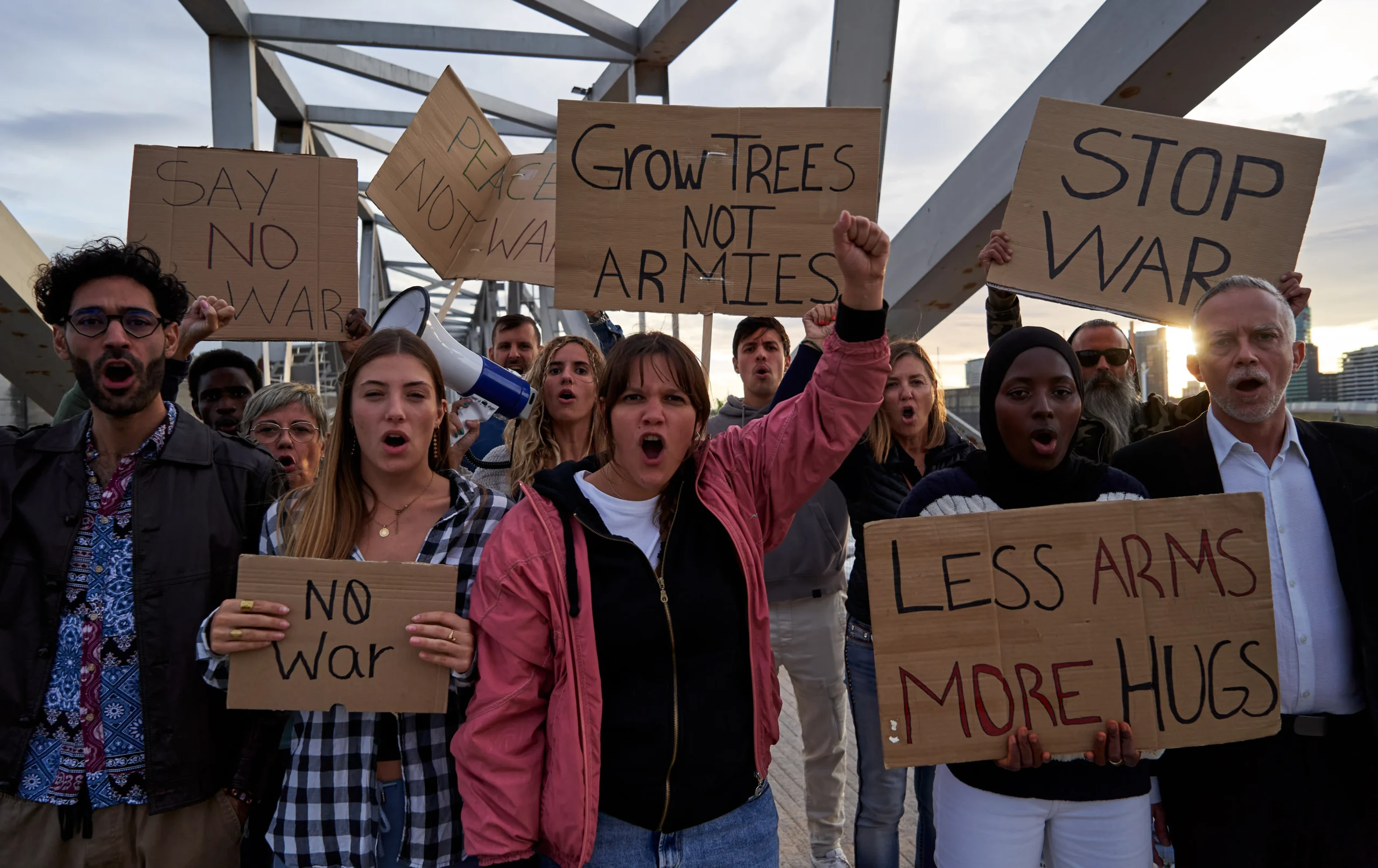
If the news has been feeling overwhelming lately, you’re not alone. Ongoing global conflicts and uncertainty can affect your Mental Health in real, measurable ways, even if you’re far removed from the events themselves. Many people are noticing increased Anxiety, trouble sleeping, or a persistent sense of unease.
In this article, we will explore how ongoing conflict and instability can affect your mental health, why your reactions are valid, and what you can do to protect your emotional well‑being in the middle of all this uncertainty.
Why Global Crises Hit So Close to Home
Human beings are wired for connection and safety. When we are exposed to images of conflict, displacement, and suffering, our nervous system can respond as though danger is close by. Even if these events are happening far from us, constant exposure can make the world feel less safe and more unpredictable.
Several factors make today’s global uncertainty especially hard on mental health:
- 24/7 news cycles with no natural break
- Exposure to graphic images or distressing content
- Polarizing conversations online
- Personal or cultural connections to affected regions.
Your body may respond with chronic stress, activating a fight‑or‑flight state that leaves you feeling on edge, restless, or exhausted. Over time, this can contribute to Anxiety, Depression, and physical health problems if not addressed.
Common Mental Health Reactions to Conflict and Uncertainty
Everyone reacts differently, but certain mental health symptoms are common during times of geopolitical conflict and global instability:
- Anxiety and worry: Feeling on edge, checking news constantly, or imagining worst‑case scenarios.
- Depression and hopelessness: Losing motivation or interest, feeling deep sadness, or believing things won’t improve.
- (Vicarious) Trauma: Intrusive images, nightmares, or strong emotional reactions to distressing stories.
- Sleep problems: Trouble falling or staying asleep, racing thoughts, or unsettling dreams.
- Irritability and anger: Feeling easily triggered, snapping at others, or outraged by injustice.
- Emotional numbness: Feeling detached, shut down, or overwhelmed.
- Cognitive issues: Difficulty concentrating, forgetfulness, or mental fatigue from ongoing uncertainty.
These reactions don’t mean weakness; they’re normal responses to chronic stress and exposure to distressing events.
Harmony United Psychiatric Care is a premier mental health clinic serving communities across Florida.
Find a provider near you
The Hidden Toll of “Secondhand” Trauma
When we think of Trauma, our minds often go to those living through war, displacement, or loss, and rightly so. They face severe risks to their mental health. But many people far from the conflict also carry a quieter form of pain known as vicarious or secondary trauma, the emotional toll of witnessing others’ suffering.
It’s more likely to affect those with personal or cultural ties to the region, past experiences of trauma, or a strong sense of empathy or responsibility. This can appear as guilt Why do I get to live safely?, helplessness, or compulsive news‑watching and activism that lead to Burnout. Even from afar, your distress is valid and worthy of compassion.
How Global Uncertainty Affects Daily Life
The impact of global conflict and uncertainty often shows up in small, everyday ways:
- You check the news before you even get out of bed.
- You feel your heart race when you get a breaking news notification.
- You struggle to focus at work or school, your mind drifting back to headlines.
- Plans for the future feel pointless or fragile.
- You find yourself arguing more with friends or family about politics or global events.
Over time, this can erode your sense of safety, meaning, and connection. It can also worsen existing mental health conditions such as generalized Anxiety Disorder, Depression, OCD, or PTSD. For some, global uncertainty can trigger old wounds, including memories of migration, discrimination, or past conflict.
Acknowledging this impact is the first step toward healing. You are not overreacting; your nervous system is doing its best to cope with an overwhelming reality.
Practical Ways to Protect Your Mental Health
You can’t control world events, but you can care for your mind and emotions. This isn’t turning away, it’s strengthening your resilience so you can stay engaged without burning out.
- Set news boundaries: Limit how often you check updates, rely on credible sources, and skip distressing images when possible.
- Acknowledge your emotions: When overwhelmed, pause and name what you feel. Recognizing emotions helps calm them and invites self‑compassion.
- Stay grounded: Use deep breathing, sensory awareness, or mindfulness to remind your body that you’re safe right now.
- Act with purpose: Do small, values‑driven actions, donate, help others, or learn more to replace helplessness with meaning.
- Reach out for support: Share your feelings with people you trust, and set limits around triggering discussions.
- Nurture basic self‑care: Prioritize sleep, movement, and restorative routines.
If anxiety, sadness, or trauma symptoms persist, seeking help from a Mental Health Professional can make a real difference.
Permitting Yourself to Care for Your Mind
In times of global conflict and instability, it can feel selfish to care for your own mental health. Yet taking care of your mind and nervous system is not a luxury; it is a necessity. When you are emotionally grounded, you are better able to support others, make thoughtful decisions, and contribute meaningfully to your communities and causes that matter to you.
You are allowed to limit your news intake. You are allowed to rest. You are allowed to feel grief, anger, fear, and compassion all at once. You are allowed to seek help. Your emotional reactions are a sign of your humanity, not a problem to be ashamed of.
When to consider professional support
- Your anxiety feels constant or overwhelming
- You’re struggling to sleep or function day-to-day
- You feel emotionally numb or disconnected
- News consumption feels compulsive or hard to control
Speaking with a mental health professional can help you process these reactions and regain a sense of control.
You don’t have to carry this alone. If global uncertainty is affecting your mental health, support is available.
Whether it’s talking to someone you trust or connecting with a mental health professional, taking that first step can help you feel more grounded even when the world feels uncertain.
Reference Website:
https://glowcounselingsolutions.com/the-mental-health-impact-of-global-uncertainty/
https://cmhadurham.ca/navigating-mental-well-being-amid-the-middle-east-conflict/
https://pmc.ncbi.nlm.nih.gov/articles/PMC12866610/
https://www.melbournewellbeinggroup.com.au/melbourne-psychology-blog/when-the-world-feels-uncertain-how-global-instability-fuels-personal-anxiety
https://wellbeings.org/the-far-reaching-impact-of-global-conflict-on-mental-health/
Leave a Reply